
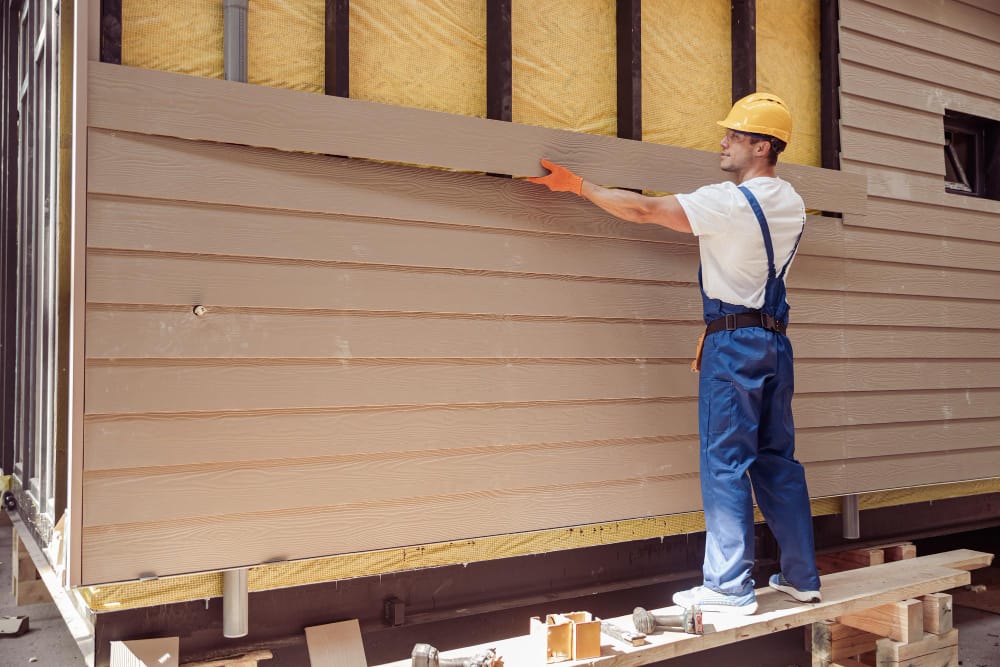
Advantages of Hardie Board Siding Delaware, PA Homeowners and Surrounding Areas
Homeowners in Delaware — from Wilmington to Dover, Newark to Lewes — seek durable, attractive, and long-lasting exterior siding. Hardie Board siding, also known as fiber cement siding, has become a top choice across Sussex County, New Castle County, and Kent County because it blends strength, beauty, and performance. Whether facing coastal winds near Rehoboth Beach or the seasonal storms inland, Hardie Board provides reliable protection and style for Delaware homes.
What makes Hardie Board siding ideal for Delaware homes?
Hardie Board siding is composed of fiber cement, combining cement, sand, and cellulose fibers for exceptional strength. It withstands Delaware’s seasonal weather, from hot summers to freezing winters. It resists warping, cracking, and rotting better than vinyl or wood. This durability ensures your home’s exterior remains intact and attractive over many years, even in Wilmington’s urban neighborhoods and Dover’s historic districts.
How does Hardie Board siding handle Delaware’s weather?
Delaware experiences a range of weather — coastal storms near Lewes and Rehoboth Beach, humidity, rain, and occasional snow inland. Hardie Board is engineered to resist moisture damage, heavy winds, and temperature fluctuations. Its composition minimizes expansion and contraction, reducing the risk of gaps or buckling. This makes it a dependable choice for homes across New Castle, Kent, and Sussex counties.
Is Hardie Board siding energy efficient?
While fiber cement itself does not provide high insulation, Hardie Board can be installed with insulation layers to improve a home’s thermal performance. Proper installation with foam backers or insulated sheathing helps reduce heat loss in winter and keep interiors cooler in summer. Homeowners in Dover and Newark see benefits in energy efficiency when combining Hardie siding with insulation upgrades.
Does Hardie Board improve home resale value?
Yes, Hardie Board siding often increases resale value due to its longevity, low maintenance needs, and attractive appearance. Buyers in Delaware markets appreciate durable exterior materials that reduce future upkeep costs. Whether your home is in Milford, Middletown, or Wilmington, the curb appeal and reliability of Hardie Board make it a strong selling point.
How does Hardie Board compare to vinyl siding?
Hardie Board is generally more durable than vinyl. It resists impact, fire, and fading better over time. Vinyl siding may dent in storms or warp in extreme heat. In contrast, Hardie’s fiber cement composition maintains shape and finish longer. In Delaware’s varied climate — from beach fronts to inland suburbs — this durability matters for long-term performance.
Is Hardie Board siding low maintenance?
Yes, Hardie Board requires minimal maintenance compared to wood siding. It doesn’t need frequent painting or staining. Occasional cleaning and periodic repainting every 10–15 years keep it looking fresh. Its resistance to pests and moisture also reduces repair needs. For busy homeowners in Lewes and Dover, this means more time enjoying home life and less time on upkeep.
Can Hardie Board siding be customized for style?
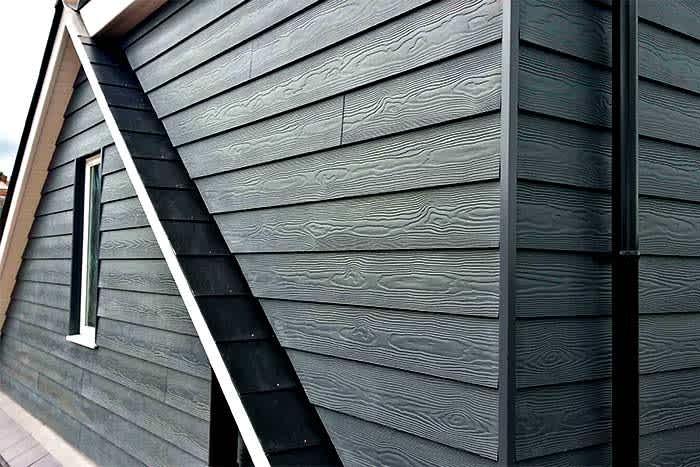
Absolutely. Hardie Board comes in various textures, colors, and profiles that mimic traditional wood or modern designs. You can choose lap, shingle, or vertical panel styles to fit your home’s architecture. This flexibility helps homes in Wilmington’s historic districts or Sussex County’s coastal cottages achieve the perfect aesthetic.
Does Hardie Board resist pests and fire?
Yes, fiber cement resists termites and wood-destroying insects that plague traditional wood siding. Its fire resistance is higher than vinyl and wood, adding safety benefits. For homes in rural areas around Dover or Milford where pests are common, this added protection lowers long-term risk and maintenance.
Is installation important for performance?
Proper installation is key to maximizing Hardie Board’s advantages. Experienced professionals ensure panels are fitted correctly with adequate moisture barriers and flashing. In Wilmington, Newark, or Lewes, local installers familiar with regional weather conditions provide the best results. Proper installation prevents water infiltration and enhances durability.
How long does Hardie Board siding last?
With quality materials and professional installation, Hardie Board siding can last 30–50 years or more. Its resistance to rot, moisture, pests, and weathering gives it a lifespan far beyond many alternatives. Delaware homeowners investing in Hardie enjoy decades of reliable performance and lasting curb appeal.
Final Thoughts
Hardie Board siding offers numerous advantages for Delaware homes, including durability, weather resistance, low maintenance, and enhanced curb appeal. Whether you live in Wilmington’s busy neighborhoods, Dover’s historic streets, or near the coastal beauty of Lewes and Rehoboth Beach, Hardie Board provides dependable protection against the state’s varied climate challenges. Its customizable styles, long lifespan, and potential to boost resale value make it a smart investment for homeowners. When paired with proper installation and insulation upgrades, Hardie Board siding enhances energy performance and reduces long-term maintenance needs. For lasting beauty and strength in the First State, Hardie Board stands out as a premier choice.
What makes concrete eco-friendly?
Incorporation of recycled materials, low-carbon cement, or permeable designs reduces environmental impact.
Can decorative concrete be sustainable?
Yes, stamped, stained, or exposed aggregate options can be installed using eco-friendly mixes.
Is eco-friendly concrete as durable as traditional concrete?
Yes, sustainable mixes meet the same strength and longevity standards.
Does permeable concrete reduce flooding?
Y
Yes, it allows water to pass through and improves drainage.