
Understanding Post-Remediation Testing for Mold in Springfield PA and Surrounding Areas
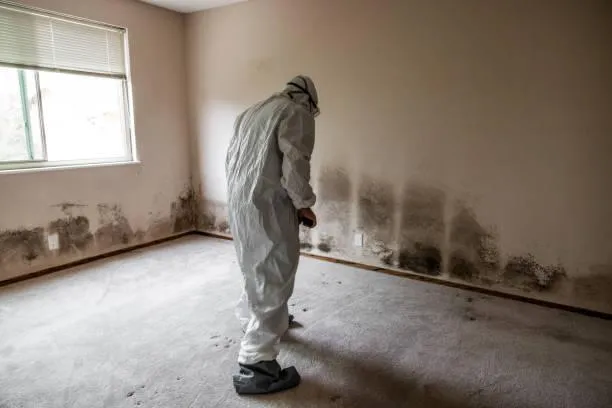
Post-remediation testing is a critical step after mold removal to confirm that the cleanup process was successful and that indoor air quality has been restored to safe levels. In Springfield PA and surrounding areas, where humidity and seasonal moisture can contribute to mold growth, verifying that mold has been properly removed protects both health and property value. Post-remediation verification ensures that hidden contamination has not been overlooked and that moisture problems have been resolved effectively.
What Is Post-Remediation Mold Testing?
Post-remediation testing, often called clearance testing, is conducted after mold removal work is completed. The goal is to verify that mold spore levels inside the property are within acceptable ranges and comparable to normal outdoor conditions. This testing confirms that remediation efforts were effective before reconstruction or re-occupancy begins.
Why Is Clearance Testing Important in Surrounding Areas?
In areas with fluctuating humidity levels, mold can return quickly if remediation is incomplete. Clearance testing provides documented proof that the environment is safe and that remediation protocols were properly followed. It also provides peace of mind to homeowners, tenants, and property buyers.
Who Performs Post-Remediation Testing?
Ideally, post-remediation testing should be conducted by an independent mold inspector or environmental professional who was not involved in the remediation process. This third-party approach prevents conflicts of interest and ensures objective results based on industry standards.
What Types of Tests Are Commonly Used?
The most common methods include air sampling and surface sampling. Air samples measure mold spore levels inside the property and compare them with outdoor air samples. Surface samples may be taken from previously affected areas to confirm that contamination has been removed. Moisture readings are also collected to ensure the underlying problem has been resolved.
How Are Air Samples Interpreted?
Air samples are analyzed in a laboratory to identify mold species and concentration levels. Acceptable results typically show indoor mold spore counts similar to or lower than outdoor levels, with no dominance of harmful species. Elevated or abnormal readings may indicate that further remediation is necessary.
When Should Post-Remediation Testing Be Conducted?
Testing should occur after remediation is complete but before rebuilding or restoring affected areas. The containment barriers are usually still in place during testing to confirm that the work area meets clearance standards before it is reopened to the rest of the property.
Does Post-Remediation Testing Guarantee Mold Will Not Return?
While clearance testing confirms that remediation was successful at the time of inspection, it does not guarantee mold will never return. Mold prevention depends on controlling moisture sources, maintaining proper ventilation, and addressing leaks promptly.
Are There Regulations Requiring Clearance Testing?
Pennsylvania does not mandate post-remediation testing by law. However, many professionals recommend it as a best practice, especially for large mold infestations, commercial properties, or real estate transactions where documentation is important.
How Long Does the Testing Process Take?
The on-site sampling process usually takes a few hours depending on property size. Laboratory analysis may take one to three days. Once results are available, the inspector provides a written report detailing findings and whether the property has passed clearance.
How Does Documentation Help Property Owners?
Clearance reports serve as official documentation showing that mold remediation was properly completed. This documentation can support insurance claims, real estate transactions, lease agreements, and long-term property records.
Final Thoughts
Understanding post-remediation testing for mold in Springfield PA and surrounding areas helps property owners ensure that remediation work has been completed properly and safely. Clearance testing provides objective verification, protects indoor air quality, and offers documented proof of successful cleanup. While not legally required, it is widely considered a best practice for protecting health, property value, and long-term structural integrity. Proactive moisture control and professional verification are key to maintaining a mold-free environment.
Is post-remediation testing necessary for small mold problems?
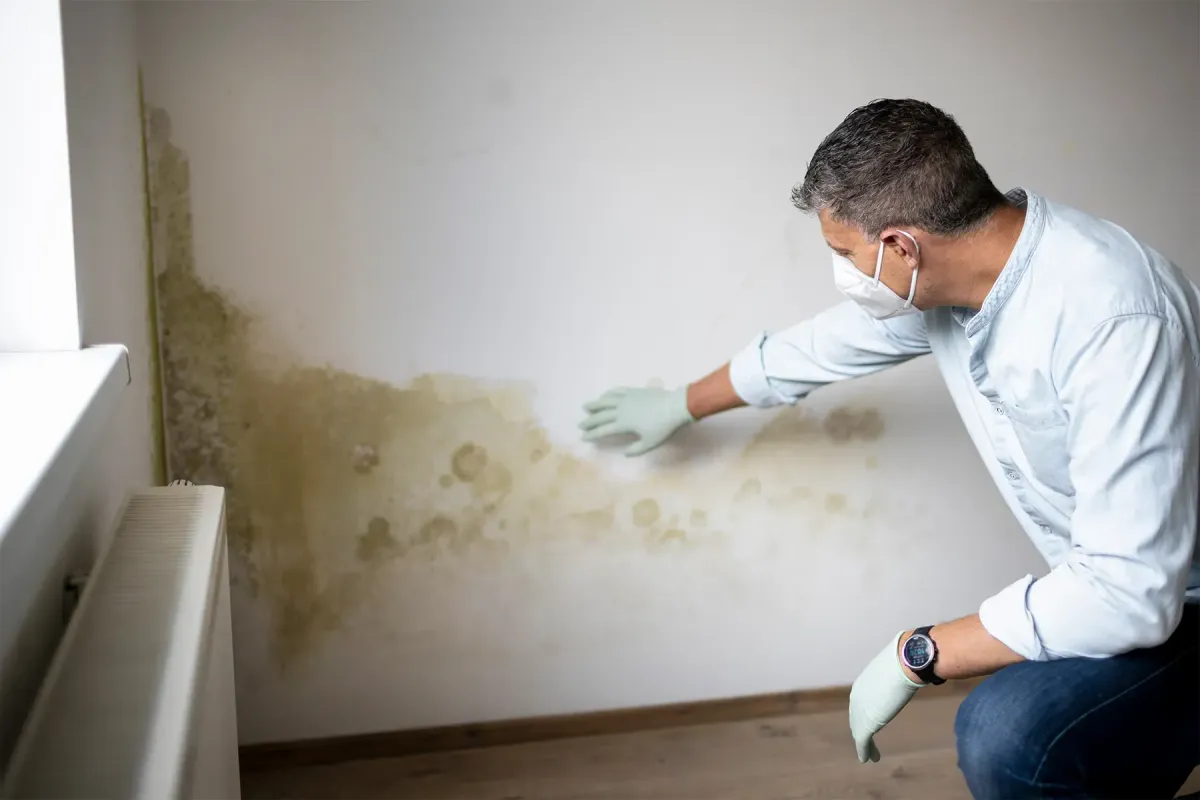
For minor issues, it may not be required, but it is recommended for added assurance and documentation.
What happens if the property fails clearance testing?
Additional remediation may be required, followed by retesting to confirm acceptable results.
Can I perform post-remediation testing myself?
Professional testing is recommended to ensure accurate sampling and laboratory analysis.
How much does post-remediation testing typically cost?
Costs vary depending on property size and number of samples collected.