
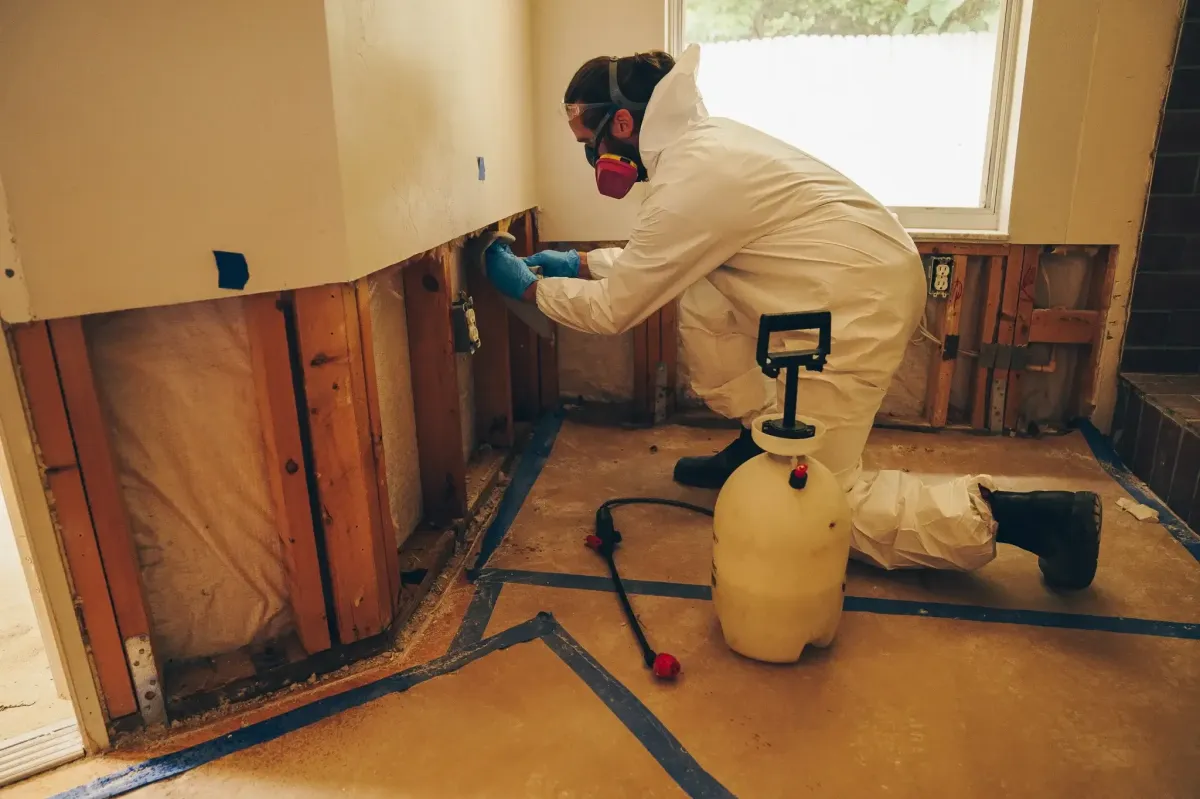
Effects of Mold on Respiratory Health In Media, PA & Surrounding Areas
Mold exposure is a growing concern for homeowners and businesses in Media, PA, especially due to the region’s humidity, older properties, and frequent moisture issues. Residents in nearby areas such as Springfield, Upper Darby, Swarthmore, Ridley Park, Wallingford, Chester, and throughout Delaware County often face similar risks. Mold spores can easily become airborne, making them a serious threat to respiratory health when left untreated. Understanding how mold impacts breathing and overall wellness is essential for protecting families and maintaining healthy indoor environments.
How Does Mold Exposure Affect Respiratory Health?
Mold releases microscopic spores that enter the air and are easily inhaled. Once inside the respiratory system, these spores can irritate the airways, trigger inflammation, and worsen breathing conditions. People living in Media, PA may notice increased coughing, throat irritation, or difficulty breathing after prolonged exposure. Continuous inhalation can lead to chronic respiratory discomfort and reduced lung function over time.
What Are the Common Respiratory Symptoms Caused by Mold?
Exposure to mold often causes symptoms such as persistent coughing, sneezing, wheezing, nasal congestion, and shortness of breath. Many residents in Media and surrounding towns report allergy-like reactions that worsen indoors. In more serious cases, mold exposure can lead to chest tightness and recurring sinus infections. Symptoms typically intensify in damp or poorly ventilated spaces.
Why Are Children and Seniors More Vulnerable to Mold?
Children and seniors have weaker or developing immune systems, making them more sensitive to airborne mold spores. In Media, PA households, young children may experience frequent colds or asthma-like symptoms linked to mold exposure. Older adults often face increased respiratory infections and prolonged recovery times. Long-term exposure can significantly impact their overall lung health.
Can Mold Trigger or Worsen Asthma Conditions?
Mold is a known asthma trigger and can cause frequent flare-ups in individuals with pre-existing conditions. Asthma sufferers in Media, PA often experience increased wheezing and nighttime breathing difficulties in mold-contaminated environments. Even small mold patches can release spores that aggravate asthma symptoms. Proper mold removal is critical for maintaining safe indoor air quality.
How Does Long-Term Mold Exposure Impact Lung Health?
Extended exposure to mold can lead to chronic respiratory inflammation and reduced lung efficiency. Over time, residents in Delaware County may develop hypersensitivity pneumonitis or other long-term breathing disorders. These conditions can cause fatigue, persistent coughing, and chest pain. Early detection and remediation help prevent permanent respiratory damage.
What Types of Mold Are Most Harmful to Breathing?
Certain molds, including black mold, produce toxins that are particularly dangerous when inhaled. Homes in Media, PA with water damage or high humidity are at higher risk for these mold types. These molds can intensify respiratory symptoms and cause prolonged health effects. Professional testing is often required to identify hazardous mold species accurately.
How Does Indoor Mold Spread Through the Air?
Mold spreads through airborne spores that circulate via HVAC systems and air movement. In homes across Media and nearby communities, spores easily travel from basements to living spaces. Poor ventilation allows mold concentrations to build up, increasing inhalation risks. This makes even hidden mold a serious respiratory concern.
Can Mold Exposure Cause Respiratory Infections?
Mold exposure can weaken the respiratory system, making individuals more susceptible to infections. Residents in Media, PA may experience recurring bronchitis or sinus infections linked to mold-contaminated environments. These infections often persist until the mold source is removed. Timely remediation significantly reduces this risk.
How Can Mold Be Prevented to Protect Respiratory Health?
Preventing mold involves controlling moisture, improving ventilation, and addressing leaks promptly. Homes in Media and surrounding areas benefit from regular inspections, especially after flooding or humidity issues. Keeping indoor humidity levels low helps reduce mold growth. Prevention plays a key role in protecting long-term respiratory health.
When Should Professional Mold Remediation Be Considered?
Professional mold remediation is necessary when mold growth is widespread or causing health symptoms. In Media, PA, certified professionals safely remove mold while preventing spore spread. DIY methods often fail to address hidden mold and can worsen air quality. Expert remediation ensures healthier indoor environments.
Final Thoughts
Mold exposure is a serious health concern that can significantly impact respiratory wellness if ignored. Residents of Media, PA and nearby areas like Springfield, Swarthmore, and Upper Darby should remain vigilant against moisture issues and indoor mold growth. Early detection, proper prevention, and professional remediation are essential steps in protecting lung health. A mold-free environment leads to better breathing, improved comfort, and long-term peace of mind
Can mold exposure cause permanent respiratory damage?
Yes, prolonged mold exposure can lead to chronic respiratory conditions if left untreated. Continuous inhalation of mold spores may cause lasting inflammation in the lungs. Early removal greatly reduces the risk of permanent damage. Consulting professionals is recommended when symptoms persist.
How quickly do mold-related respiratory symptoms appear?
Symptoms can appear within hours or days, depending on sensitivity and exposure levels. Some residents in Media, PA notice symptoms shortly after entering mold-affected spaces. Others may develop issues gradually over time. Consistent exposure increases severity.
Is mold dangerous even if it’s not visible?
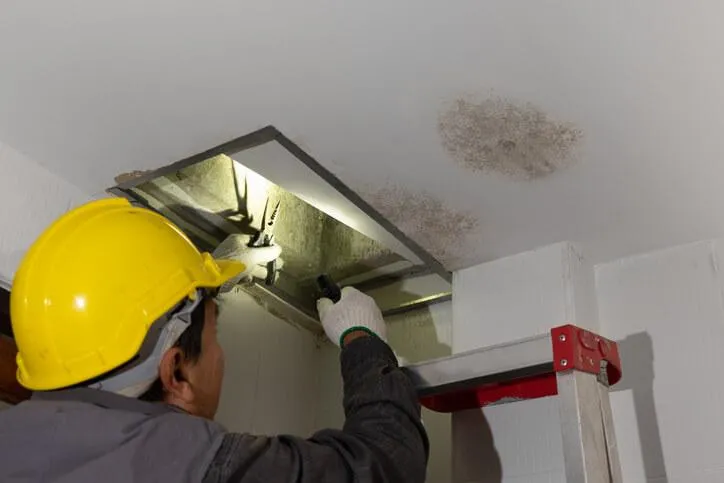
Yes, hidden mold behind walls or under flooring can still release harmful spores. Invisible mold often causes unexplained respiratory symptoms. Professional inspections help detect hidden growth. Addressing it early protects indoor air quality.
Can mold affect people without allergies or asthma?
Even healthy individuals can experience respiratory irritation from mold exposure. Long-term exposure may weaken the immune system and lungs. Symptoms can develop gradually in non-allergic individuals. Mold removal benefits everyone in the home.
Should mold be tested before remediation?
Testing helps identify mold types and contamination levels. In Media, PA, professional testing guides effective remediation strategies. While not always required, it provides valuable insight. Accurate testing ensures thorough and safe mold removal.