
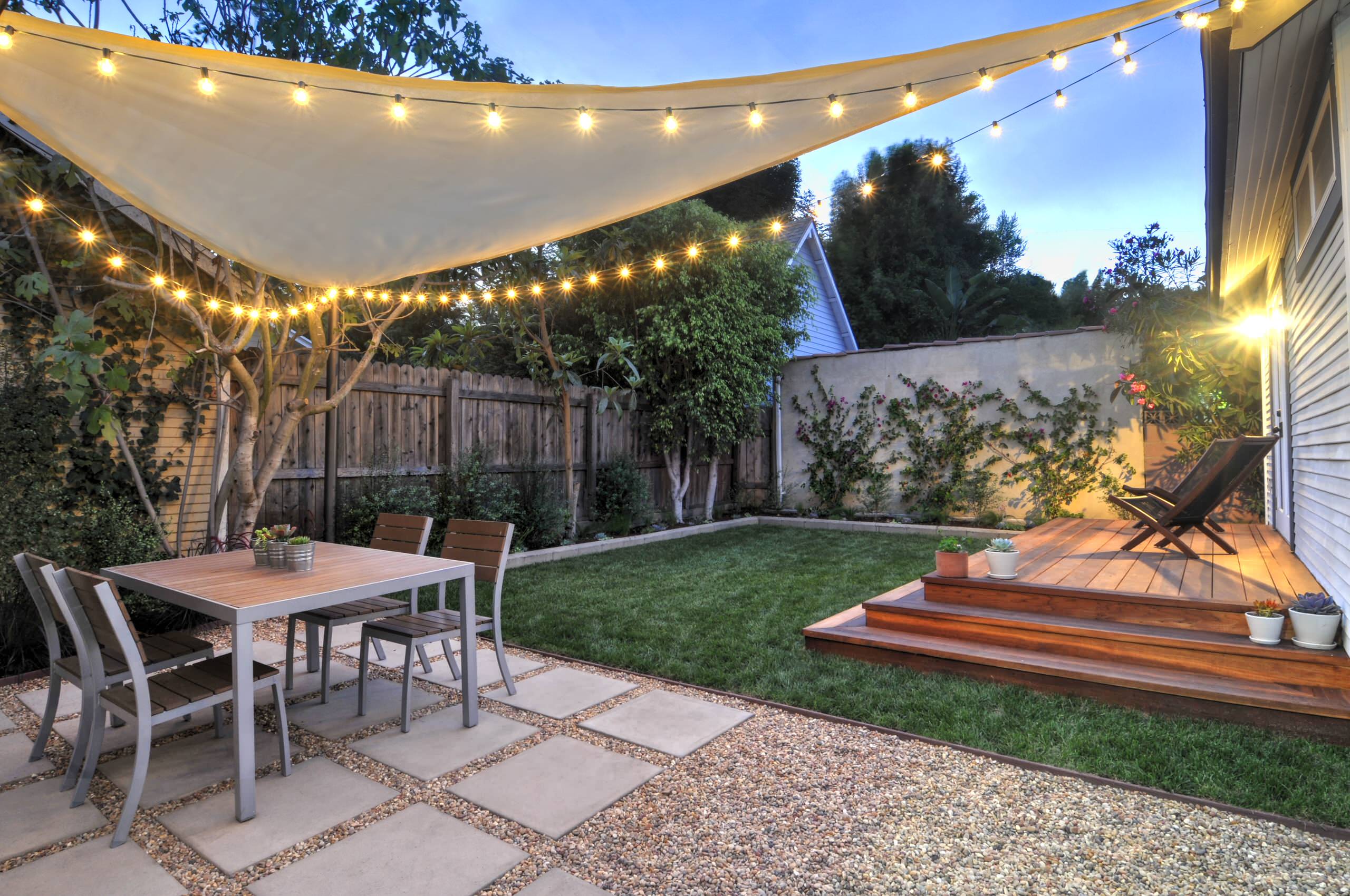
Masonry Patio Design Factors for New Jersey, PA Homeowners and Surrounding Areas
A well-designed masonry patio can transform an outdoor space into a beautiful and functional extension of your home. Homeowners often consider masonry patios because they are durable, visually appealing, and increase property value. However, designing the perfect patio requires careful planning, including material selection, layout, drainage, and long-term maintenance. By understanding key design factors, homeowners can create an outdoor area that suits their lifestyle while also enhancing the overall appearance of their property.
What materials are best for a masonry patio?
Selecting the right materials is essential for a durable and attractive patio. Popular choices include natural stone, brick, and concrete pavers because they provide strength and design flexibility. Each material offers a unique texture and color that can complement the home’s exterior. Choosing high-quality materials ensures the patio withstands changing weather conditions. It also reduces the need for frequent repairs and maintenance.
How does patio layout affect functionality?
The layout determines how comfortable and practical the patio will be for everyday use. A well-planned design should allow enough space for seating, dining areas, and pathways. Homeowners should also consider how the patio connects to the house and garden. A balanced layout creates smooth movement throughout the outdoor area. This improves both visual appeal and convenience.
Why is proper drainage important in patio design?
Drainage is a critical element in masonry patio construction. Without proper drainage, water can collect on the surface or seep beneath the patio structure. This may lead to cracks, uneven surfaces, or long-term damage. Installing the patio with a slight slope allows water to flow away naturally. Good drainage helps protect the patio’s structure and extends its lifespan.
How does climate influence patio material choices?
Weather conditions play a major role in determining which materials perform best. Areas that experience freezing temperatures require materials that resist cracking and expansion. Natural stone and quality pavers often perform well under these conditions. Climate-appropriate materials help prevent premature wear. This ensures the patio remains durable for many years.
What role does patio size play in the design process?
The size of the patio should match the available outdoor space and the homeowner’s lifestyle needs. A small patio may be ideal for quiet relaxation, while a larger one can accommodate gatherings and outdoor dining. Proper sizing keeps the area from feeling crowded or empty. It also ensures the patio blends naturally with the surrounding landscape.
How can homeowners enhance patio aesthetics?
Visual appeal can be improved through thoughtful design details. Using different stone patterns, colors, or borders adds character to the patio surface. Decorative features such as built-in seating or fire elements can also enhance the atmosphere. These design touches create a more inviting outdoor space. They also increase the overall value of the property.
Why is a strong foundation important for masonry patios?
A solid foundation ensures the patio remains stable over time. The base layer typically includes compacted gravel and sand to support the masonry materials. This structure prevents shifting or sinking as the ground settles. A properly prepared base is essential for maintaining a level surface. It also protects the patio from structural problems.
How does lighting improve patio usability?
Outdoor lighting extends the usability of the patio into the evening hours. Well-placed lighting highlights pathways, seating areas, and architectural details. It also improves safety by reducing dark spots around the patio. Soft lighting can create a relaxing and welcoming atmosphere. This makes the outdoor area more enjoyable for gatherings.
What maintenance considerations should homeowners keep in mind?
Regular maintenance helps preserve the beauty and durability of a masonry patio. Cleaning the surface and sealing certain materials can protect them from stains and moisture. Inspecting joints and edges prevents small issues from becoming major repairs. With proper care, masonry patios can last for decades. Routine upkeep ensures the patio continues to look its best.
How can a patio increase property value?
A professionally designed patio can significantly enhance a home’s outdoor living space. Buyers often appreciate attractive and functional outdoor areas for entertaining or relaxing. A well-constructed masonry patio adds both visual appeal and practical benefits. This improvement can increase the overall market value of the property. It also makes the home more appealing to potential buyers.
Final Thought
Designing a masonry patio requires careful planning and attention to detail. By considering factors such as materials, layout, drainage, and maintenance, homeowners can create an outdoor space that is both beautiful and functional. A well-built patio not only enhances daily living but also adds long-term value to the property. With the right design approach, a masonry patio can become a centerpiece of outdoor enjoyment for years to come.
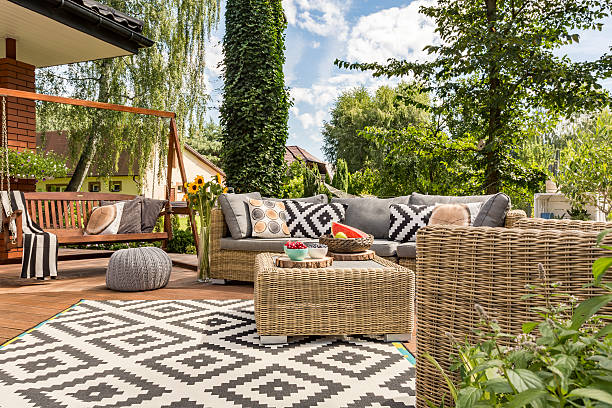
What is the most durable material for a masonry patio?
Natural stone and high-quality concrete pavers are among the most durable options. They resist weather damage and maintain their appearance for many years.
How long does a masonry patio typically last?
With proper installation and maintenance, a masonry patio can last 25 years or more. High-quality materials and a strong foundation help extend its lifespan.
Do masonry patios require sealing?
Some materials, such as natural stone and certain pavers, benefit from sealing. Sealing helps protect the surface from moisture, stains, and weather damage.
Can a masonry patio be installed on uneven ground?
Yes, but the ground must first be properly leveled and prepared. Professional installation ensures a stable base and prevents structural issues.
Is a masonry patio better than a wooden deck?
Many homeowners prefer masonry patios because they require less maintenance and are more resistant to weather conditions than wooden decks.