
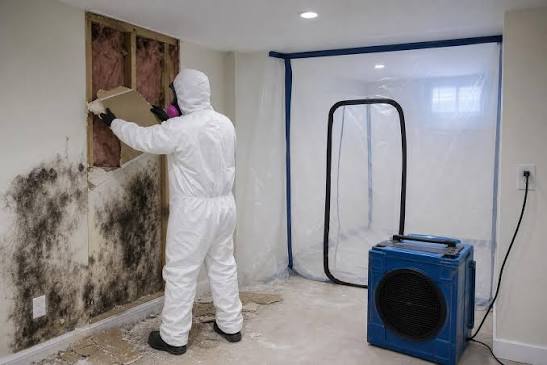
Residential Mold Removal vs. Commercial Services in Philadelphia, PA and Surrounding Areas
Mold remediation needs can vary significantly depending on whether the affected property is a home, apartment, office, retail building, school, or other commercial facility. In Philadelphia, PA, residential mold removal typically focuses on protecting household occupants and restoring individual living spaces, while commercial services may involve larger areas, building occupants, HVAC systems, scheduling, containment, and more detailed project coordination. The EPA recommends identifying and correcting the moisture source as part of the remediation process rather than simply removing visible mold.
What Is the Difference Between Residential and Commercial Mold Removal?
Residential mold removal is generally designed for houses, apartments, condos, and other living spaces. Commercial mold remediation is intended for workplaces and larger facilities where contamination can affect employees, customers, tenants, or business operations. While the basic goal is the same, the size, complexity, containment needs, and coordination can be very different.
Why Do Philadelphia Homes Need Professional Mold Removal?
Philadelphia homes can experience mold because of plumbing leaks, roof damage, basement moisture, condensation, flooding, or poor ventilation. Professional mold removal can help identify affected materials, address moisture problems, and prevent contamination from spreading. The EPA emphasizes that moisture control is central to mold prevention and recommends addressing leaks and damp areas promptly.
When Should Homeowners Consider Professional Mold Remediation?
A small visible area may sometimes be manageable with appropriate precautions, but larger contamination, extensive water damage, hidden mold, or possible HVAC contamination can require professional assistance. The EPA advises consulting professionals when mold affects more than about 10 square feet or when significant water damage is involved.
How Does Commercial Mold Remediation Differ in Philadelphia?
Commercial remediation often requires planning around employees, customers, tenants, equipment, and business operations. A larger building may also have multiple affected rooms, floors, or HVAC components. For medium and large projects, the EPA recommends establishing a remediation manager and developing a plan covering containment, protective equipment, cleanup methods, and occupant communication.
Does the Size of the Property Affect Mold Removal Services?
Yes. A mold problem in a Philadelphia townhouse may be limited to a bathroom, basement, or bedroom, while a commercial property could have contamination across several rooms or building systems. As the affected area becomes larger, remediation may require more extensive containment, equipment, trained personnel, and project coordination.
What Role Does Moisture Control Play in Both Residential and Commercial Mold Removal?
Moisture control is essential for both property types. Repairing leaking pipes, roof problems, drainage issues, condensation, or other water sources helps prevent mold from returning. The EPA recommends drying wet materials quickly and maintaining indoor humidity at appropriate levels, with 30–50% cited as an ideal range when possible.
Are Mold Removal Methods Different for Homes and Businesses?
The fundamental remediation principles are similar, but the methods and level of containment can change according to the size and complexity of the project. Professionals may use containment, appropriate personal protective equipment, HEPA vacuuming, controlled removal of damaged materials, and drying procedures. Porous materials with extensive mold growth may need to be removed rather than simply cleaned.
How Can Commercial Mold Services Minimize Business Disruption?
Commercial remediation should be planned around normal building operations whenever practical. Work may be phased or scheduled during less busy periods to reduce disruption. For larger projects, occupant communication and decisions about temporary relocation may also be part of the remediation plan.
Do Philadelphia Businesses Need Mold Testing Before Remediation?
Not necessarily. When visible mold is present, the EPA states that sampling is often unnecessary. Testing may be useful in certain circumstances, such as evaluating a suspected hidden problem or assessing whether an area has been adequately cleaned, but professional interpretation is important.
How Can Property Owners Choose the Right Mold Removal Service?
Philadelphia property owners should consider the size and type of property, extent of contamination, moisture source, affected materials, and whether occupants or business operations could be disrupted. Look for professionals with relevant mold-remediation experience, appropriate safety procedures, and a clear plan for containment, removal, drying, and preventing recurrence.
Final Thought
Residential and commercial mold removal in Philadelphia require the same fundamental goal: safely address the moisture source, remove contamination, and prevent the problem from returning. However, commercial projects may involve larger areas, more occupants, additional building systems, and greater operational complexity. Choosing an experienced remediation professional can help property owners develop an appropriate plan for the specific building and level of contamination.
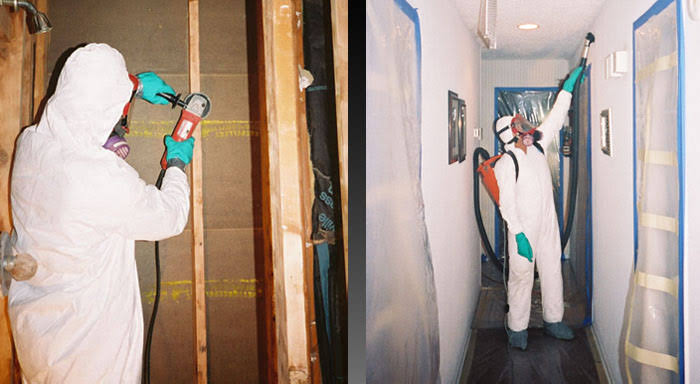
Is residential mold removal less complicated than commercial remediation?
Often, yes. Residential projects may involve fewer occupants and smaller affected areas, while commercial projects can involve larger spaces, multiple occupants, and more complex coordination.
Can mold spread through a commercial HVAC system?
Yes. Mold can occur in or around HVAC components when moisture is present, and contaminated systems may contribute to spreading mold or spores throughout a building.
Should the moisture source be fixed before mold is removed?
The moisture problem should be addressed as part of the remediation process. Otherwise, mold can return after cleanup.
Can businesses remain open during mold remediation?
In some situations, work can be phased or scheduled around business operations, but the appropriate approach depends on the size and location of the contamination and potential occupant exposure.
Is professional mold removal available for properties outside Philadelphia?
Yes. Mold remediation providers may serve surrounding communities as well, but property owners should confirm that the contractor has experience appropriate to the building type and scope of the project.