
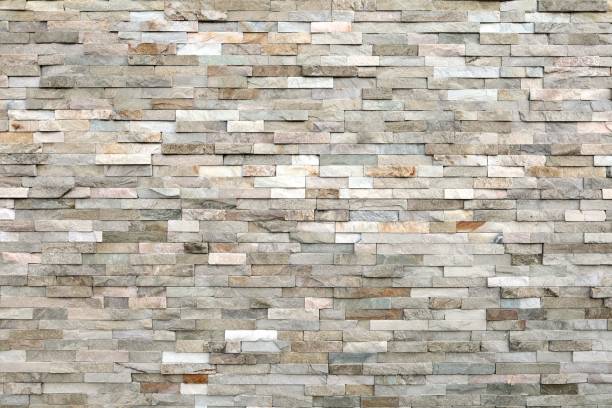
Customized Stone Wall Designs That Transform Homes in Media PA and Surrounding Areas
Customized stone wall designs have become a popular choice for homeowners looking to enhance the beauty and functionality of their outdoor spaces. A well-designed stone wall not only adds structure and visual appeal but also increases property value and durability. With a wide variety of natural stones, textures, and layouts available, homeowners can achieve a unique look that perfectly complements their property. Professional craftsmanship ensures the walls remain strong, weather-resistant, and visually appealing for many years.
What makes customized stone walls different from standard stone walls?
Customized stone walls are designed according to the specific needs, style preferences, and landscape layout of a property. Instead of using a one-size-fits-all approach, professionals select stones, shapes, and installation techniques that match the home’s architecture. This allows homeowners to create a unique and visually appealing outdoor feature. The design flexibility also makes it easier to integrate the wall into gardens, patios, or pathways.
Why are stone walls a popular choice for residential landscaping?
Stone walls are valued for their natural appearance, durability, and timeless appeal. They blend seamlessly with outdoor environments and can complement both modern and traditional homes. Unlike many other materials, natural stone withstands weather changes without losing its structural integrity. Their long lifespan and minimal maintenance requirements make them a reliable landscaping investment.
How do customized stone walls improve property value?
A professionally designed stone wall enhances curb appeal, which is one of the most important factors in property value. Buyers often appreciate landscaping features that are both attractive and functional. A stone wall can serve as a decorative element, boundary marker, or retaining structure. These practical and aesthetic benefits can make a property more appealing to potential buyers.
What types of stones are commonly used in custom wall designs?
Many different types of stones can be used depending on the desired appearance and structural needs. Natural fieldstone, limestone, granite, and slate are among the most common choices. Each type offers unique textures and colors that contribute to the final design. Professional installers help homeowners select materials that balance durability, beauty, and budget.
Can customized stone walls be used for both decoration and support?
Yes, customized stone walls often serve both aesthetic and functional purposes. Decorative garden walls can frame outdoor living areas and enhance landscaping. Retaining walls, on the other hand, help control soil erosion and manage slopes. By combining beauty with structural support, stone walls become an essential part of outdoor design.
How long do professionally built stone walls typically last?
When installed correctly by experienced professionals, stone walls can last for several decades. Natural stone is highly resistant to weather, moisture, and temperature changes. Proper foundation preparation and drainage also play a major role in extending the lifespan of the wall. Routine inspections and minor maintenance can further ensure long-term durability.
What design options are available for customized stone walls?
Homeowners have many design options when creating a customized stone wall. Different patterns, stone sizes, and mortar styles can completely change the final appearance. Some designs focus on a rustic natural look, while others aim for a clean and modern aesthetic. Lighting, plant integration, and curved shapes can also enhance the overall design.
Are customized stone walls environmentally friendly?
Natural stone is considered an environmentally friendly building material because it requires minimal processing compared to synthetic materials. It is also extremely durable, which reduces the need for replacement and additional resources. Many stone options are locally sourced, reducing transportation impact. These qualities make stone walls a sustainable landscaping choice.
What maintenance is required for stone walls?
Stone walls require relatively little maintenance compared to other outdoor structures. Occasional cleaning helps remove dirt, moss, or debris that may accumulate over time. Inspecting the mortar joints and structural alignment ensures the wall remains stable. Addressing small repairs early prevents more significant issues in the future.
How can homeowners choose the right contractor for stone wall installation?
Selecting an experienced contractor is essential for achieving a durable and visually appealing stone wall. Homeowners should look for professionals with strong portfolios and positive customer feedback. A skilled contractor will assess the property, recommend suitable materials, and ensure proper installation techniques. Clear communication about design expectations and budget also helps ensure a successful project.
Final Thought
Customized stone wall designs offer an excellent way to enhance both the beauty and functionality of residential landscapes. Their durability, natural appearance, and design flexibility make them a long-lasting investment for homeowners. With professional installation and thoughtful design planning, stone walls can transform outdoor spaces into elegant and practical environments.
What is the average cost of building a customized stone wall?
The cost depends on factors such as wall size, stone type, design complexity, and labor. Natural stone materials and detailed designs may increase the price. However, the long lifespan of stone walls often makes them a cost-effective investment.
Do stone walls require a foundation?
Yes, most stone walls require a stable foundation to ensure long-term durability. Proper base preparation prevents shifting or settling over time. Professional installers carefully prepare the ground before construction begins.
Can stone walls be built on sloped landscapes?
Yes, stone walls are often used on sloped properties as retaining structures. They help prevent soil erosion and create usable levels within the landscape. Proper engineering ensures the wall remains stable under pressure.
Are stone walls suitable for modern home designs?
Absolutely. By choosing the right stone type and installation style, stone walls can complement both contemporary and traditional architecture. Clean-cut stones and structured patterns often work well with modern designs.
How long does it take to install a custom stone wall?
Installation time depends on the size and complexity of the project. Smaller decorative walls may take a few days, while larger retaining structures can take longer. Professional planning ensures the project progresses efficiently.