
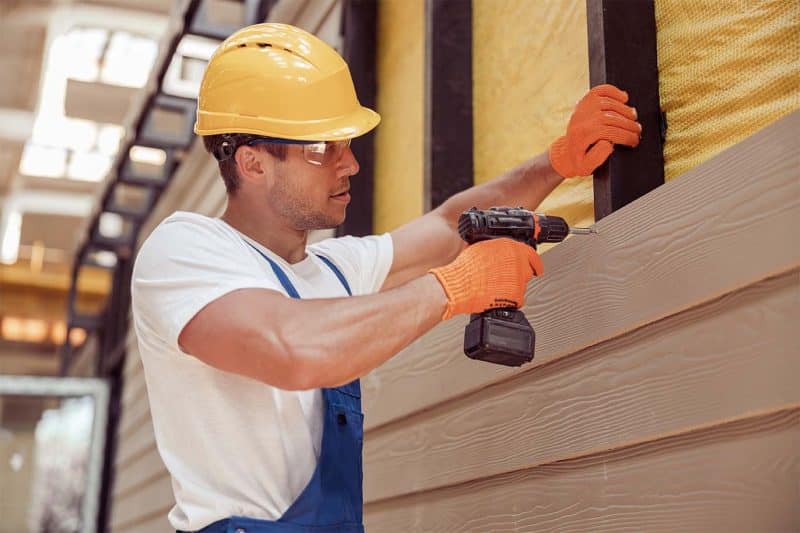
Affordable Vinyl vs Hardie Board Siding: Which Is Best? in Media PA and Surrounding Areas
Choosing the right siding material is an important decision for homeowners who want to improve their home’s appearance, protection, and value. Two of the most popular siding options are vinyl siding and Hardie board siding (fiber cement). Both materials offer durability and aesthetic appeal, but they differ in cost, maintenance, longevity, and installation requirements. Understanding the key differences between these siding options can help homeowners choose the best solution based on their budget and long-term goals.
What is vinyl siding and why is it popular?
Vinyl siding is made from PVC plastic and is widely used because it is affordable and easy to install. Many homeowners choose vinyl siding due to its low upfront cost and minimal maintenance needs. It does not require painting or sealing and only needs occasional cleaning. Its lightweight design also makes installation faster and less labor-intensive than other siding materials.
What is Hardie board siding and how does it differ from vinyl?
Hardie board siding is a type of fiber cement siding made from cement, sand, and cellulose fibers. This material is known for its strength and ability to mimic the appearance of natural wood siding. Hardie board is thicker and more durable than vinyl, which gives it a premium look and better resistance to weather conditions. However, it is heavier and requires professional installation.
How do vinyl siding and Hardie board compare in cost?
Vinyl siding is generally the more affordable option for homeowners. Installation typically costs around $6 to $9 per square foot, while Hardie board siding can cost about $10 to $14 per square foot or more depending on labor and design. For a typical home, vinyl siding may cost around $16,000 to $20,000, whereas Hardie board siding can reach $25,000 to $32,000.
Which siding option lasts longer?
Hardie board siding usually lasts longer than vinyl siding. Fiber cement siding can last around 30 to 50 years with proper maintenance, while vinyl siding generally lasts about 20 to 40 years. The longer lifespan of Hardie board often makes it a good investment for homeowners planning to stay in their home for many years.
How do the two materials perform in harsh weather?
Hardie board siding performs better in extreme weather conditions. It resists strong winds, moisture, and temperature changes more effectively than vinyl. Vinyl siding can warp, crack, or fade when exposed to intense heat or severe weather over time. This durability makes fiber cement siding suitable for areas with unpredictable weather patterns.
Which siding requires less maintenance?
Vinyl siding typically requires less maintenance compared to Hardie board. It does not need painting and can be cleaned with water and mild soap. Hardie board siding may need repainting or resealing every 10 to 15 years to maintain its appearance and protection. However, both options are considered relatively low maintenance compared to wood siding.
Is Hardie board siding more environmentally friendly?
Hardie board siding is often considered a more environmentally friendly option. It is made from natural materials and is more sustainable compared to vinyl, which is produced from plastic. Vinyl siding is also more difficult to recycle and may release harmful chemicals when burned or disposed of improperly.
Which siding option offers better fire resistance?
Hardie board siding offers superior fire resistance because it is made primarily from cement and sand. This non-combustible material helps slow the spread of flames during a fire. Vinyl siding can melt or warp when exposed to high heat, which may expose the structure underneath.
How do the aesthetics of vinyl and Hardie board compare?
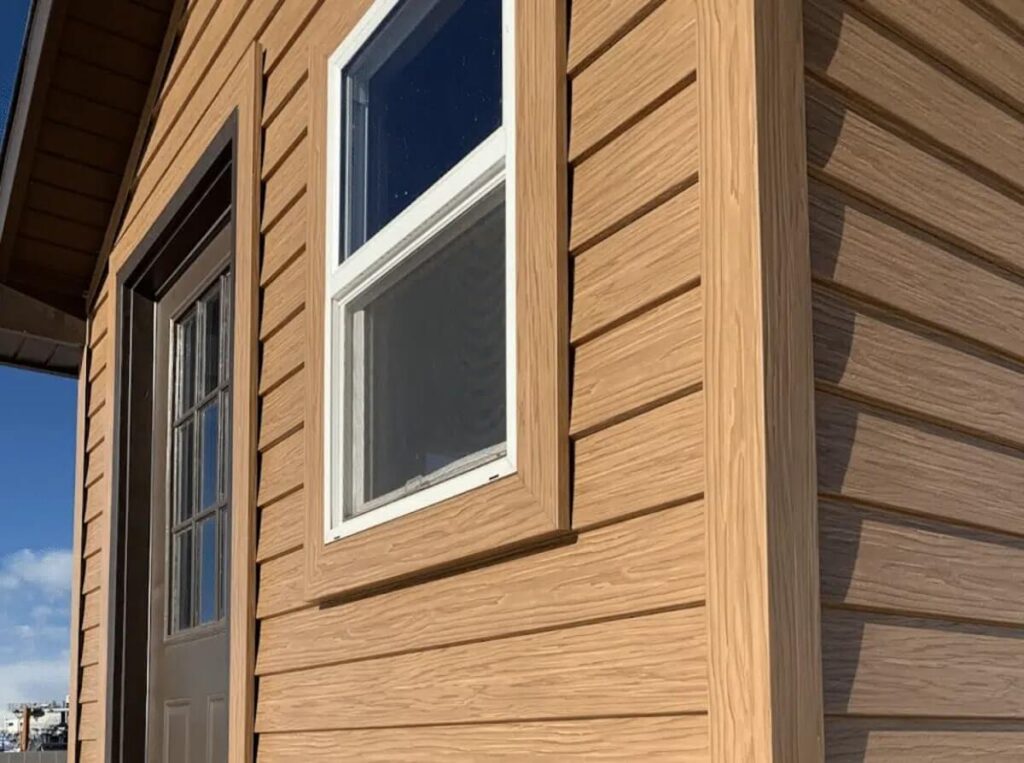
Both vinyl and Hardie board siding are available in a variety of colors and styles. However, Hardie board often provides a more realistic wood-like texture and deeper design details. Vinyl siding can still achieve an attractive appearance but may look less natural compared to fiber cement siding.
Which siding is best for homeowners on a budget?
For homeowners focused on affordability, vinyl siding is usually the best choice. Its lower material cost and faster installation make it a cost-effective option. However, homeowners who want better durability, higher resale value, and long-term performance may prefer Hardie board siding despite the higher upfront cost.
Final Thought
Both vinyl siding and Hardie board siding offer valuable benefits for homeowners. Vinyl siding stands out for affordability, easy installation, and low maintenance, making it ideal for budget-friendly renovations. Hardie board siding, on the other hand, provides superior durability, fire resistance, and long-term value. The best option ultimately depends on a homeowner’s priorities, whether they focus on immediate savings or long-lasting performance.
Is vinyl siding cheaper than Hardie board siding?
Yes, vinyl siding is generally cheaper both in material and installation costs compared to Hardie board siding.
Does Hardie board siding increase home value?
Yes, fiber cement siding can increase a home’s resale value and improve curb appeal due to its durability and premium appearance.
Can vinyl siding withstand strong storms?
Vinyl siding can handle moderate weather conditions but may crack or warp during severe storms or extreme temperatures.
Do both siding types require professional installation?
Vinyl siding can sometimes be installed as a DIY project, while Hardie board siding usually requires professional installation due to its weight and complexity.