
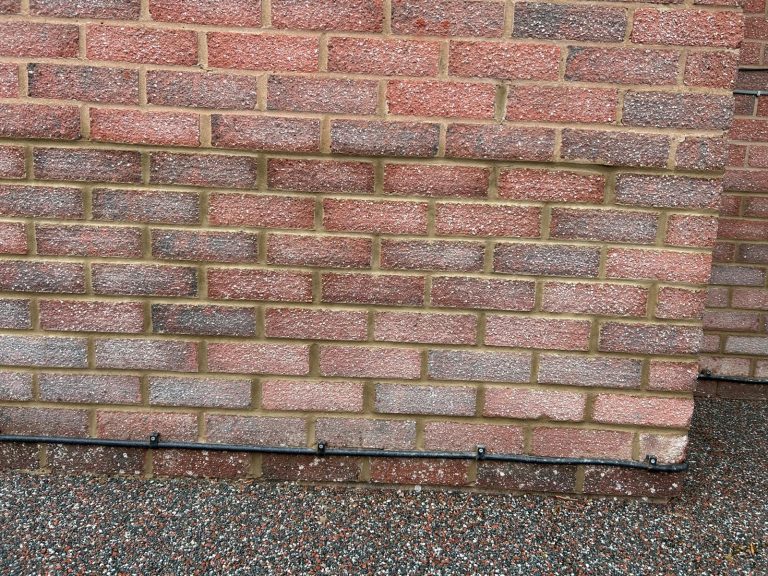
Comparative Guide to Pointing Services in West Chester, PA and Surrounding Areas
Choosing the right pointing services is a critical decision for property owners in West Chester, PA and surrounding areas who want to protect and extend the life of brick and stone structures. Pointing services vary widely in terms of methods, materials, expertise, and pricing. Understanding these differences allows homeowners and commercial property owners to compare options effectively and select services that provide long-term value, durability, and structural integrity.
What Are Pointing Services and Why Do They Matter for Masonry Structures?
Pointing services involve the repair or replacement of deteriorated mortar joints between bricks or stones. Over time, mortar weakens due to weather exposure, moisture penetration, and natural aging. When joints fail, water can enter the structure, leading to internal damage and compromised stability. Proper pointing restores the masonry’s strength, improves weather resistance, and preserves the overall appearance of the building.
How Do Traditional Pointing Methods Compare to Modern Techniques?
Traditional pointing methods focus on manually removing damaged mortar and replacing it with compatible materials using time-tested techniques. Modern methods may incorporate advanced tools, improved mortar mixes, and efficiency-focused processes. While traditional approaches are often preferred for older or historic structures, modern techniques can offer faster completion and enhanced durability when applied correctly. Comparing these approaches helps determine the best fit for specific masonry needs.
What Role Do Mortar Materials Play in Comparing Pointing Services?
Mortar selection is a major factor when comparing pointing services. Lime-based mortars are commonly used for older buildings due to their flexibility and compatibility with historic brickwork. Cement-based mortars are more common in newer construction and provide increased strength. Using the wrong mortar type can cause brick damage, making material expertise a critical comparison point between service providers.
How Does Skill Level and Experience Affect Pointing Results?
The experience and skill of the masonry professional significantly influence the quality and longevity of pointing work. Skilled craftsmen understand how to assess mortar condition, match materials, and apply proper techniques. Less experienced work may appear adequate initially but can fail prematurely. Comparing provider experience helps ensure durable results and reduces the likelihood of repeated repairs.
How Do Partial Repairs Compare to Full Repointing Services?
Partial pointing repairs address localized mortar damage, while full repointing involves renewing joints across entire walls or structures. Partial repairs are more cost-effective for limited deterioration, but full repointing provides comprehensive protection when damage is widespread. Understanding the extent of masonry wear is essential when comparing which service level is appropriate.
What Differences Exist in Pricing Structures for Pointing Services?
Pricing structures for pointing services vary based on labor, materials, project size, and accessibility. Some providers price by square footage or linear footage, while others offer project-based estimates. Comparing detailed quotes helps property owners understand what is included and avoid hidden costs. Transparent pricing is a key indicator of professional service quality.
How Does Accessibility Impact the Choice of Pointing Services?
Buildings with multiple stories or limited access require additional equipment such as scaffolding or lifts, increasing labor time and cost. Some service providers specialize in complex access conditions, while others focus on straightforward projects. Comparing access capabilities ensures the selected provider can safely and efficiently complete the work.
How Can Quality Control and Inspection Practices Be Compared?
Quality pointing services include thorough inspections before, during, and after the project. Providers who assess mortar condition carefully and conduct final quality checks tend to deliver better results. Comparing inspection and quality control practices helps ensure the finished work meets structural and aesthetic standards.
What Long-Term Value Should Be Considered When Comparing Services?
Long-term value goes beyond initial pricing. High-quality pointing reduces future maintenance, prevents water damage, and extends the lifespan of masonry. Comparing warranties, material durability, and expected service life helps property owners evaluate true value rather than focusing solely on short-term costs.
How Does Choosing the Right Pointing Service Protect Property Value?
Well-executed pointing enhances curb appeal, structural integrity, and marketability. Poor-quality repairs can lead to visible damage and costly restoration later. Comparing services carefully ensures masonry remains strong and visually consistent, protecting property value over time.
Final Thoughts
Comparing pointing services requires careful consideration of methods, materials, expertise, pricing, and long-term benefits. By understanding how different services approach masonry repair, property owners can make informed decisions that protect their structures and investment. Choosing the right pointing service ensures durability, safety, and lasting value for brick and stone buildings.
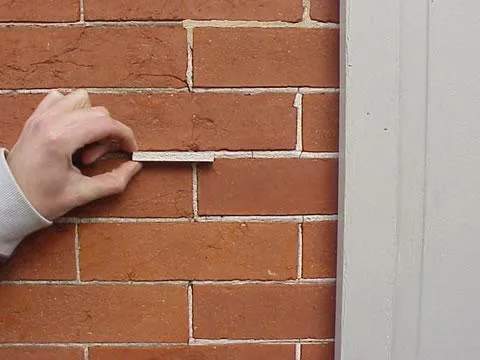
How can I tell if my masonry needs pointing services?
Cracked, crumbling, or missing mortar joints are common indicators that pointing is needed.
Is full repointing always necessary?
No, limited damage can often be addressed with targeted repairs rather than full repointing.
Can pointing change the appearance of brickwork?
Proper pointing enhances appearance by restoring uniform mortar joints and preventing discoloration.
How long should professional pointing last?
Quality pointing work can last several decades when done correctly with suitable materials.