
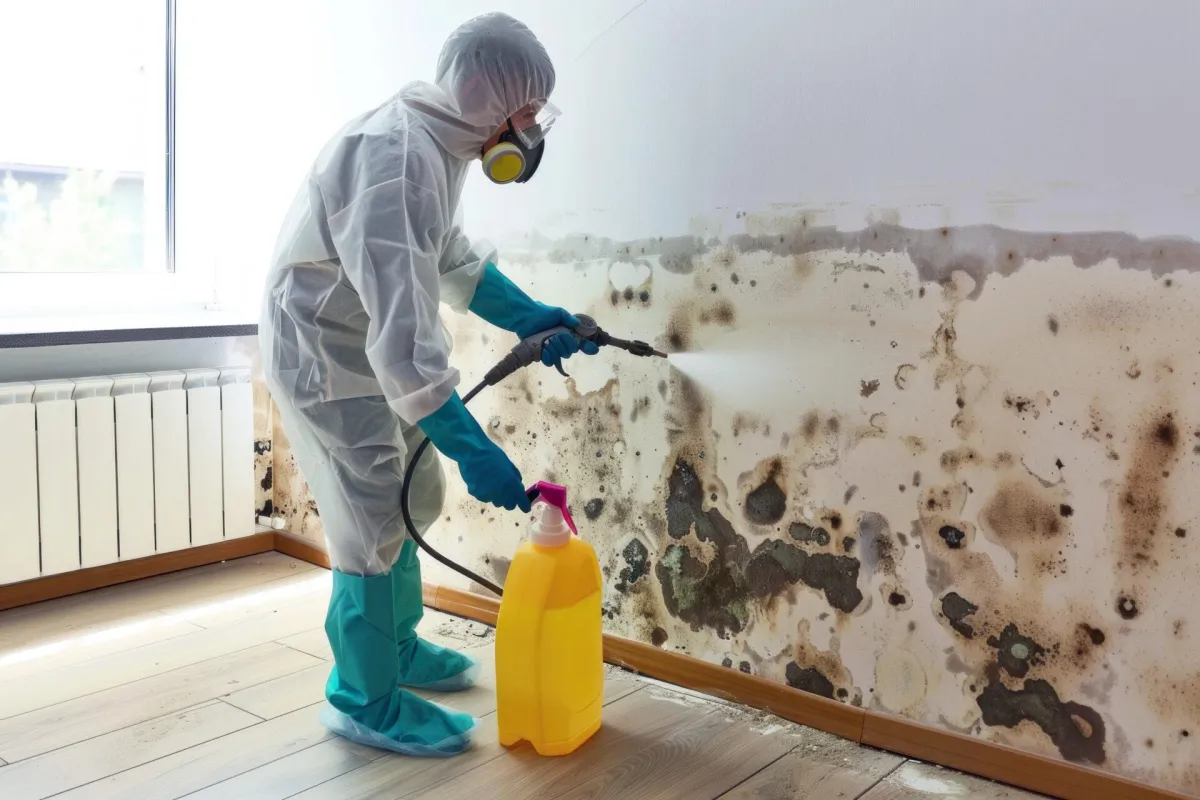
What to Expect From Post-Remediation Mold Testing in Haverford Township, PA & Surrounding Areas
After mold remediation, it’s essential to verify that your home or business is free from harmful mold spores. Post-remediation testing ensures that cleanup efforts in Haverford Township, Drexel Hill, Havertown, Bryn Mawr, Ardmore, Media, Upper Darby, and nearby communities were effective. Certified professionals use standardized procedures to assess air quality, surfaces, and moisture levels, giving you confidence that your property is safe and healthy.
Why Is Post-Remediation Mold Testing Important?
Testing confirms that mold removal was successful and that indoor air quality has been restored. Without verification, spores may persist unnoticed, causing health risks in Haverford Township and surrounding areas.
What Methods Are Used for Post-Remediation Testing?
Experts use air sampling, surface swabs, and moisture measurements to check for remaining mold. Properties in Drexel Hill, Havertown, and Bryn Mawr benefit from thorough assessments to ensure no hidden contamination.
When Should Post-Remediation Testing Be Conducted?
Testing is performed immediately after remediation is completed and before re-occupying the property to ensure the environment is safe for residents or employees.
What Are Acceptable Mold Levels?
While no indoor space is completely mold-free, safety standards define acceptable limits. Elevated levels in areas like Ardmore, Media, and Upper Darby require further remediation.
Can Post-Remediation Testing Detect Hidden Mold?
Yes. Professional testing can identify spores in concealed spaces, behind walls, under flooring, or within HVAC systems, protecting your property from future issues.
How Do Professionals Ensure Accurate Results?
Certified mold inspectors follow EPA and IICRC guidelines, using calibrated equipment and proper sampling techniques for accurate, reliable results in Haverford Township and nearby towns.
What Happens If Mold Is Still Found After Remediation?
Any remaining contamination triggers a follow-up remediation plan. Properties in Drexel Hill, Bryn Mawr, and Havertown often require targeted treatment to fully eliminate mold.
Are Post-Remediation Reports Provided to Homeowners?
Yes. Detailed reports document air quality, sampling results, and compliance with safety standards. These are useful for insurance claims and peace of mind.
How Often Should Mold Testing Be Performed After a Remediation Project?
While immediate post-remediation testing is essential, periodic inspections—every 6–12 months—help ensure ongoing mold prevention, especially in humid areas.
Can Post-Remediation Testing Protect Health?
Absolutely. Confirming that mold levels are safe protects residents, children, elderly individuals, and anyone with respiratory conditions from harmful exposure.
Final Thoughts
Post-remediation mold testing is a critical step to ensure that your home or business in Haverford Township, Drexel Hill, Havertown, Bryn Mawr, Ardmore, Media, Upper Darby, and surrounding areas is safe, healthy, and free of lingering spores. Proper testing verifies that remediation was effective, protects indoor air quality, and provides peace of mind. Partnering with certified professionals ensures that any hidden mold is detected and fully removed, preventing future health risks and property damage.
How soon after mold remediation should testing be done?
Testing should be conducted immediately after remediation and before re-occupying the property to ensure the environment is safe.
What types of testing are used post-remediation?
Air sampling, surface swabs, and moisture readings are commonly used to verify that mold has been fully removed.
Can post-remediation testing detect mold behind walls or hidden areas?
Yes, professional testing can detect spores in concealed spaces, HVAC systems, and under flooring to ensure complete remediation.
Who should perform post-remediation mold testing?
Certified mold inspectors with EPA and IICRC credentials are recommended to guarantee accurate and reliable results.
What should I do if mold is still found after testing?
A follow-up remediation plan is implemented to remove any remaining mold and prevent future growth, ensuring your property is fully safe.