
Master Concrete Pouring Techniques in Media PA and Surrounding Areas
Concrete pouring is a critical step in construction that directly impacts the strength, durability, and finish of any structure. In Media and the surrounding areas, mastering proper pouring techniques ensures long-lasting surfaces for residential and commercial projects alike. From preparation to curing, each phase plays an important role in achieving a stable and visually appealing result. Understanding these techniques helps property owners and builders prevent cracks, uneven surfaces, and premature wear.
Why Is Proper Site Preparation Important Before Pouring Concrete?
Before pouring begins, preparing the site ensures the surface can support the concrete effectively. This includes leveling the ground, removing debris, and creating a stable base. Without proper preparation, the poured concrete may shift or crack over time.
How Does Weather Influence Concrete Pouring?
Temperature and moisture levels significantly affect the pouring process. Extreme heat can cause rapid drying, while cold conditions may slow curing. Monitoring weather conditions helps maintain consistency and strength in the finished surface.
What Role Does Formwork Play in Concrete Pouring?
Formwork acts as a mold that shapes the concrete and keeps it in place during setting. Properly installed forms ensure accurate dimensions and prevent leakage, leading to a smoother finish.
Why Is Mixing Consistency Important?
The right balance of materials in the concrete mix determines its strength and workability. A consistent mix prevents weak spots and ensures uniform performance across the surface.
How Is Concrete Properly Poured?
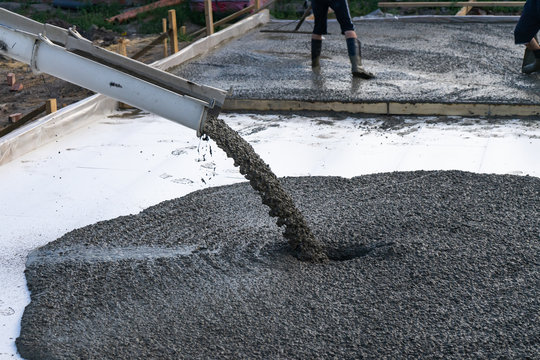
Pouring should be done steadily to avoid air pockets and uneven distribution. Controlled placement allows the material to settle evenly and reduces the risk of structural flaws.
What Is the Importance of Leveling and Smoothing?
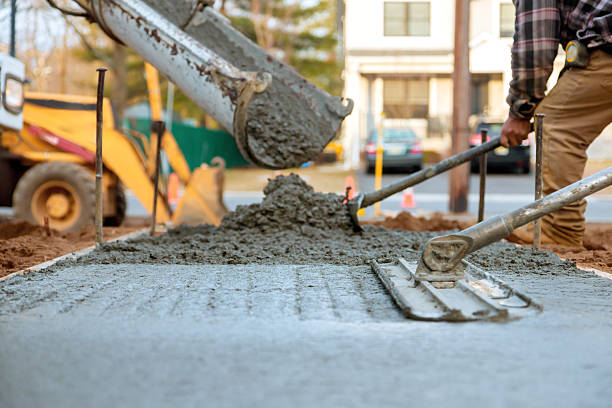
Once poured, concrete must be leveled and smoothed to create a uniform surface. This step enhances both functionality and appearance while preventing future drainage issues.
How Does Reinforcement Improve Concrete Strength?
Adding reinforcement materials such as steel bars or mesh increases durability. Reinforcement helps concrete withstand heavy loads and reduces the likelihood of cracking.
Why Is Curing Essential After Pouring?
Curing allows concrete to achieve its full strength. Proper moisture retention during this phase prevents shrinkage and enhances long-term performance.
Can Finishing Techniques Affect Durability?
Yes, finishing techniques such as troweling or texturing improve both strength and appearance. A well-finished surface resists wear and maintains its quality over time.
How Do Timing and Coordination Impact Results?
Timely execution ensures each step is completed before the concrete begins to set. Coordination among workers prevents delays and ensures a smooth process.
Final Thoughts
Mastering concrete pouring techniques ensures strong, reliable surfaces that can withstand environmental stress and heavy usage. From preparation to curing, each step contributes to the overall success of a project. By focusing on proper methods and consistent execution, homeowners and builders can achieve durable and visually appealing results that last for years.
How long does concrete take to cure?
Curing time varies but typically requires several days for initial strength.
Can pouring be done in cold weather?
Yes, with proper precautions to maintain curing conditions.
Why does concrete crack?
Cracks may occur due to improper curing or uneven settling.
Is reinforcement always required?
Reinforcement is often recommended for structural strength.