
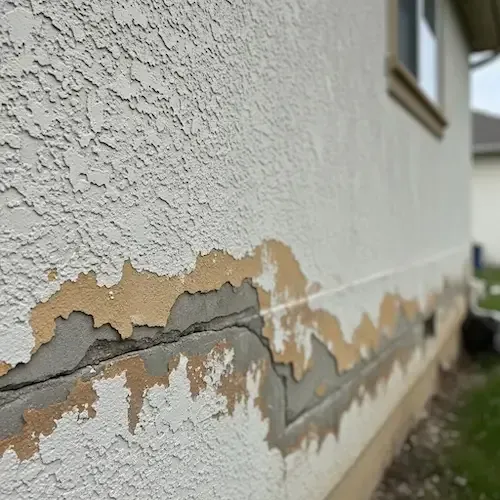
Understanding Water Damage Assessment in Media, PA & Surrounding Areas
A proper water damage assessment is the first and most crucial step in addressing any water-related issue in your home or business in Media, PA. The area’s climate and potential for severe weather, which also affects communities like Springfield, Chester, and Swarthmore, make understanding the extent of water damage essential for a successful restoration. An assessment goes beyond just identifying visible water to uncover hidden moisture, prevent further damage, and create a comprehensive plan for repair and restoration. This initial evaluation is the foundation of the entire recovery process, whether you're dealing with a flooded basement in Media or a burst pipe in nearby Springfield.
Why is a professional water damage assessment so important in Media, PA?
A professional water damage assessment is vital in Media, PA because water damage is often more extensive than it appears on the surface. While a flooded basement or a visible leak is an obvious problem, moisture can seep into walls, flooring, and insulation, creating a breeding ground for mold and causing long-term structural issues. Professionals use specialized tools like moisture meters and thermal imaging cameras to detect all affected areas, including hidden moisture, ensuring no part of your home is left to develop future problems. This meticulous process protects your property's value and the health of its occupants.
What happens during a water damage assessment?
The process begins with an expert identifying and stopping the source of the water, such as a burst pipe or a leaking roof. Following this, the technician conducts a thorough inspection to classify the type of water damage based on contamination level. They create a detailed plan outlining the necessary drying, dehumidification, and repair steps. This documentation is crucial for insurance claims, as it provides a clear record of the damage.
What role does technology play in water damage assessment?
Modern technology, including moisture meters and thermal imaging cameras, is essential for a precise water damage assessment. Moisture meters measure the water content in materials like drywall and wood, while thermal imaging cameras can detect cold spots behind walls, indicating hidden moisture. These tools allow professionals to create an accurate map of the damage, ensuring that all affected areas are addressed and preventing future issues.
What are the next steps after a water damage assessment?
After the assessment, the restoration process begins with water extraction using powerful pumps and vacuums. This is followed by drying and dehumidification with industrial-grade air movers and dehumidifiers to prevent mold growth. The affected area is then cleaned and sanitized to eliminate bacteria and potential health hazards. Finally, the restoration phase involves repairing or replacing damaged materials to return the property to its pre-loss condition.
What are the different categories of water damage?
Water damage is categorized based on the level of contamination. Category 1 is "clean water" from a source like a leaky faucet or a broken pipe, posing no immediate threat. Category 2 is "gray water," which contains some contaminants from sources like washing machines or dishwashers. Category 3 is "black water," which is highly contaminated and unsanitary, typically from sewage, rising floodwaters, or toilet overflows. Understanding these categories is critical for determining the appropriate cleaning and restoration methods.
How can a water damage assessment help with insurance claims?
A professional water damage assessment is crucial for a smooth insurance claim process. The detailed documentation and precise measurements of the damage provide a clear and credible record for your insurance company. This helps substantiate your claim, ensuring you receive the necessary coverage to restore your property properly.
Why is it important to act quickly after water damage occurs?
Acting quickly after water damage is essential to minimize its effects. Within 24-48 hours, standing water can lead to mold growth and cause significant structural damage to materials like drywall and wood. Prompt professional assessment and remediation can prevent these costly secondary damages, safeguarding your property and the health of its occupants.
How does a water damage assessment protect against long-term structural problems?
A thorough water damage assessment identifies moisture that has seeped into the building's hidden structures, such as behind walls and under floors. If left unaddressed, this hidden moisture can weaken wood, corrode metal, and compromise the structural integrity of your home over time. By detecting and drying these areas early, professionals prevent long-term structural issues and ensure the safety of your property.
Final Thoughts
A water damage assessment in Media, PA is more than just a quick check; it's a critical, detailed process that lays the groundwork for a successful restoration. By hiring a professional, you ensure that all damage, both visible and hidden, is addressed, protecting your property's value and the health of its occupants. This is a crucial step in safeguarding your investment against the unpredictable weather and potential emergencies that affect communities across Delaware County.
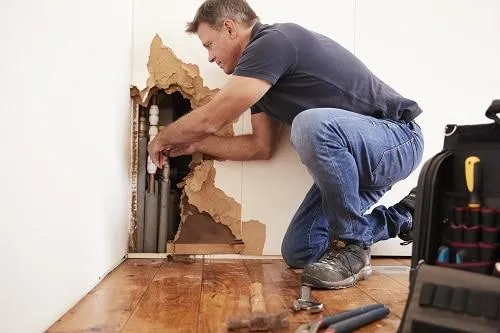
What is the difference between a "water damage category" and a "water damage class"?
While both are used to assess the severity of water damage, they refer to different aspects. The category of water damage (e.g., Category 1, 2, or 3) describes the level of contamination in the water itself. The class of water damage (e.g., Class 1, 2, 3, or 4) describes the amount of water and the extent of the damage, including the types of materials affected and the expected evaporation rate. A Class 4, for instance, involves specialty drying of low-porosity materials like concrete and brick. Professionals use both classifications to develop a precise restoration plan.
Can I stay in my home during the water damage restoration process?
Whether you can remain in your home depends on the severity of the damage and the category of the water. If the damage is minor and the water is clean (Category 1), you may be able to stay. However, if the damage is extensive, involves contaminated water (Category 2 or 3), or requires loud and disruptive equipment, it's often safer and more comfortable to relocate temporarily. A professional restoration company will advise you on the best course of action for your specific situation.
Does my homeowner's insurance policy cover water damage?
Homeowner's insurance policies typically cover "sudden and accidental" water damage, such as a burst pipe, a leaking appliance, or a toilet overflow. However, most standard policies do not cover damage from gradual leaks, neglect, or natural floods. For flood damage, a separate flood insurance policy is required. It's important to contact your insurance agent immediately after the damage occurs to understand your coverage and begin the claims process.
What are the signs of hidden water damage?
Beyond visible puddles, be on the lookout for signs of hidden water damage. These include a persistent musty smell, discoloration or water stains on walls or ceilings, bubbling or peeling paint, and warping floors. Even a slight increase in humidity can be a sign. If you notice any of these indicators, it's best to call a professional for an assessment with specialized equipment like thermal imaging.
How long does the water damage restoration process take?
The total time for restoration varies greatly depending on the class and category of the damage. A small, simple project might take a few days, while a severe case involving extensive drying, mold remediation, and reconstruction can take several weeks or even months. A professional restoration company will provide you with a realistic timeline after they complete the initial assessment.