
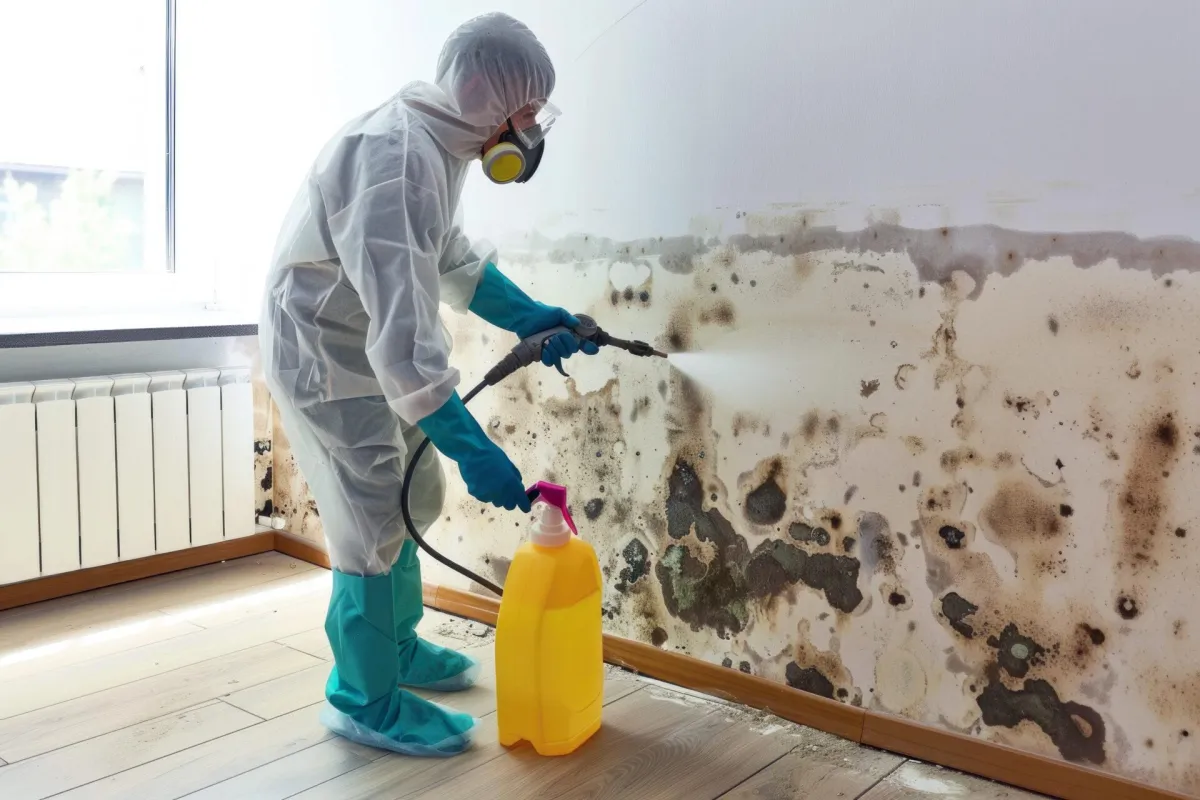
How to Choose the Right Mold Remediation Method in Philadelphia, PA & Surrounding Areas
Homeowners and property managers in Philadelphia, PA, along with nearby areas such as Upper Darby, Bala Cynwyd, Ardmore, Springfield, Broomall, and Havertown, often face mold problems caused by humidity, leaks, and older building structures. Choosing the right mold remediation method is essential for restoring indoor air quality, preventing structural damage, and keeping your family or tenants safe. Understanding the available options helps you make informed decisions and avoid recurring mold issues.
What Factors Determine the Best Mold Remediation Method?
The severity, location, moisture source, and type of mold all influence the ideal remediation approach. Homes in Philadelphia, Upper Darby, and Ardmore often require tailored solutions based on age, ventilation, and humidity conditions.
Why Is Identifying the Moisture Source the First Step?
No remediation method will work unless the moisture issue—like leaks, condensation, or poor drainage—is resolved. Properties in Bala Cynwyd, Springfield, and Broomall often experience recurring mold due to hidden plumbing problems or basement dampness.
When Should You Use HEPA Vacuuming and Surface Cleaning?
Light surface-level mold can often be safely removed using HEPA vacuuming and antimicrobial cleaners. This method is ideal for minor mold problems in Havertown, Upper Darby, and nearby towns.
Is Containment Necessary for Moderate to Severe Mold Growth?
Yes. Containment prevents mold spores from spreading during cleaning. Homes and commercial spaces in Philadelphia and Bala Cynwyd benefit from containment barriers, negative air pressure machines, and filtered ventilation.
When Is Complete Material Removal the Best Option?
Severely contaminated drywall, insulation, or flooring often require removal and replacement. This method is common in older properties in Springfield, Ardmore, and Broomall where mold penetrates porous building materials.
How Does Dry Ice Blasting Help in Mold Remediation?
Dry ice blasting removes mold from wood beams, attics, crawlspaces, and structural elements without moisture. This technique is especially useful for historic homes in Philadelphia and Havertown.
Should You Consider Antimicrobial Treatments After Remediation?
Applying antimicrobial coatings helps prevent future mold growth. Homeowners in Upper Darby, Ardmore, and Bala Cynwyd use these treatments for long-term protection.
How Do Air Scrubbers Improve the Remediation Process?
HEPA air scrubbers remove airborne spores during and after cleaning. They are essential for homes in Philadelphia, Springfield, and Broomall with high contamination levels.
Do HVAC Systems Need Special Attention During Mold Removal?
Absolutely. Mold often spreads through vents and ductwork. Residents in Havertown, Upper Darby, and Philadelphia rely on specialized HVAC cleaning for complete remediation.
Why Choose Local Mold Remediation Experts in Philadelphia, PA?
Local specialists understand regional humidity patterns, older home structures, and common moisture challenges. They deliver faster service and more accurate remediation recommendations tailored to Philadelphia and surrounding areas.
Final Thoughts
Choosing the right mold remediation method in Philadelphia, PA and nearby areas like Upper Darby, Norristown, Lansdowne, Springfield, Broomall, and Havertown comes down to one thing: protecting your home and your health without wasting time or money. When mold spreads, property owners often feel overwhelmed — but the right approach can stop damage fast, restore indoor air quality, and prevent costly structural issues.
What’s the safest mold remediation method for homes in Philadelphia?
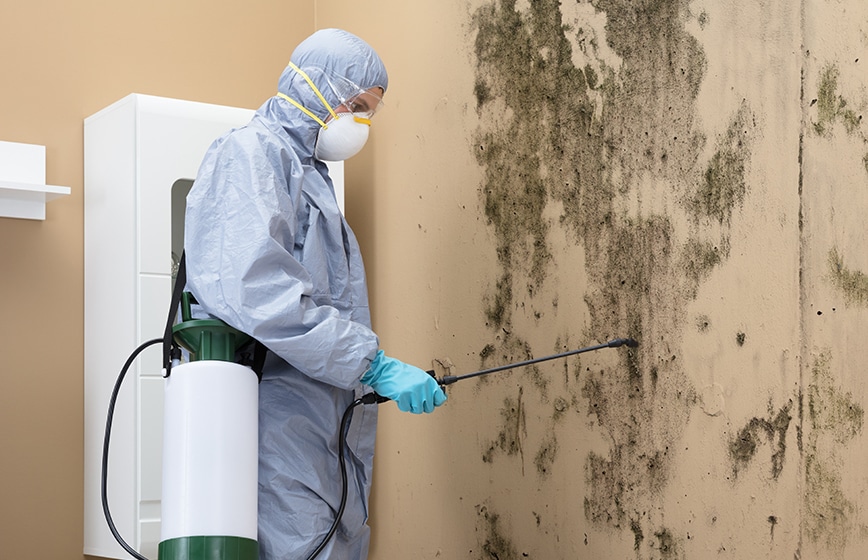
HEPA vacuuming, containment, and antimicrobial treatments are the safest because they remove spores without spreading contamination.
How do I know if I need full remediation instead of simple cleaning?
If mold covers more than 10 square feet, keeps returning, or has spread behind walls, professional remediation is the better and safer option.
Can mold remediation prevent future mold growth?
Yes — when paired with moisture control, ventilation improvements, and proper repairs to leaks or humidity sources.
How long does mold remediation usually take?
Most projects take 1–3 days, but larger or hidden infestations in basements, attics, or crawlspaces may take longer.
Will insurance cover mold remediation?
Some policies cover mold if it results from a sudden incident like a burst pipe. Coverage varies, so homeowners should check their policy details.