
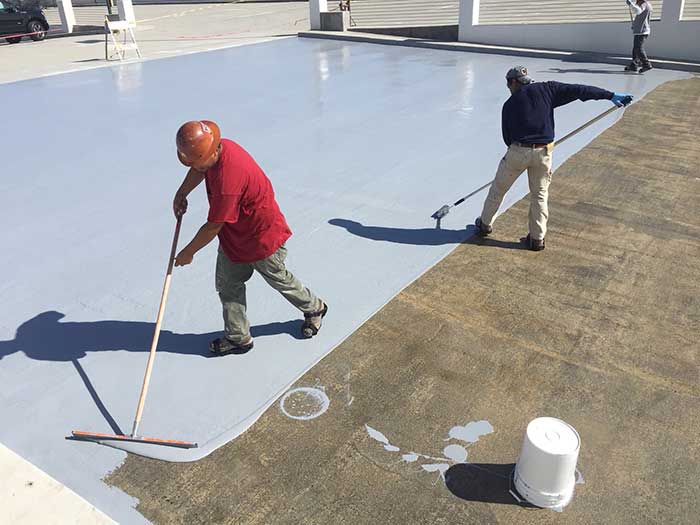
Waterproofing Laws in Chester & Surrounding Areas
Waterproofing laws in Chester and surrounding areas help homeowners protect their property by ensuring repairs and construction work follow safe standards. Waterproofing projects can involve basements, foundations, exterior walls, drainage improvements, and moisture control systems that prevent long-term damage. Depending on the scope of the work, certain projects may require permits, inspections, and contractor compliance with local building rules. Many homeowners do not realize that waterproofing issues can also lead to mold growth, structural weakening, and interior damage if repairs are not completed correctly. Understanding basic legal expectations helps homeowners avoid unlicensed work, poor-quality repairs, and future issues during home inspections or resale. Following proper guidelines also helps ensure that warranties, documentation, and insurance claims are handled correctly. Homeowners benefit from working with professionals who provide written estimates, clear project timelines, and detailed repair plans. When waterproofing is completed the right way, it protects indoor air quality, reduces moisture risks, and improves the long-term value of the home. Learning the basics of waterproofing laws helps property owners make smarter decisions and avoid expensive mistakes.
Why do waterproofing laws matter for homeowners in Chester?
Waterproofing laws help ensure repairs are completed safely and correctly, especially when foundation or structural areas are involved. These guidelines reduce the risk of poor workmanship that causes repeat leaks and long-term damage. Following legal standards also helps protect homeowners during future inspections or property sales. Many homeowners rely on Water Damage & Restoration support to handle urgent moisture issues the right way.
Which waterproofing projects might require permits or inspections?
Projects that involve structural changes, drainage system modifications, or major foundation work may require permits. Smaller sealing jobs may not need permits, but the rules often depend on the exact work being performed. A professional can help confirm what is required before starting. This prevents delays and helps homeowners avoid compliance problems.
What should a homeowner check before hiring a waterproofing contractor?
Homeowners should confirm experience, request a written estimate, and review the scope of work carefully. It is also important to ask about warranty coverage and how repairs will be documented. A clear contract helps prevent misunderstandings about pricing and timelines. Choosing qualified contractors reduces the risk of repeated moisture problems.
What details should be included in a waterproofing contract for protection?
A strong contract should include materials, repair steps, start and finish dates, payment terms, and warranty information. It should also explain how changes will be handled if unexpected issues are discovered. Clear documentation protects homeowners from surprise charges. Written agreements make the entire process easier to manage.
How do waterproofing rules connect to mold prevention and safety?
Moisture issues often lead to mold growth, which can affect indoor air quality and damage building materials. Contractors should follow safe procedures when mold is present to avoid spreading contamination. Proper moisture control reduces the risk of recurring mold problems. Many homeowners schedule Mold Remediation when water intrusion has already created visible mold concerns.
What can happen if waterproofing work is done incorrectly or without proper standards?
Incorrect waterproofing can cause repeated leaks, damaged insulation, wood rot, and expensive repairs over time. It can also create issues during home resale if inspectors find unresolved moisture problems. Fixing poor work often costs more than doing it correctly the first time. Professional repairs protect the home’s structure and value.
Why is documentation important for waterproofing work in Chester?
Documentation helps homeowners track what repairs were completed and what warranties apply. It also supports insurance claims when water damage has occurred. Keeping records can be helpful for future home inspections and resale transparency. Good documentation shows the work was handled responsibly and professionally.
How do exterior wall issues affect waterproofing compliance and results?
Cracks and damage on exterior walls can allow water to enter and spread behind surfaces. Repairs must be done correctly to prevent trapped moisture and long-term structural issues. Proper sealing and surface restoration improves protection against rain and humidity. Many homeowners include Stucco Repairs when exterior surfaces show signs of cracking or moisture staining.
Can siding upgrades support better waterproofing results long-term?
Yes, siding helps protect the home’s exterior envelope and reduces water intrusion risks. Damaged or poorly sealed siding can allow moisture behind walls and lead to hidden rot. Upgrading exterior materials improves durability and weather resistance. Many homeowners choose Vinyl & Hardie Board Siding to strengthen protection and reduce future moisture issues.
Why do homeowners restore finishes after waterproofing repairs are complete?
After waterproofing work, homeowners often need to repair stains, peeling areas, or damaged surfaces for a clean finished look. Restoring the home’s appearance also helps protect repaired areas from future wear. Finishing improvements can make the property look refreshed and well maintained. Many homeowners schedule Interior & Exterior Painting after moisture repairs are completed.
Final Thought
Waterproofing laws in Chester help homeowners protect their property by encouraging safe, properly documented, and high-quality repair work. Understanding permits, contracts, and basic standards reduces risk and helps prevent costly mistakes. Waterproofing is closely tied to mold prevention, structural stability, and exterior durability, so choosing qualified professionals matters. With smart planning and the right contractor, homeowners can secure long-term protection and peace of mind.
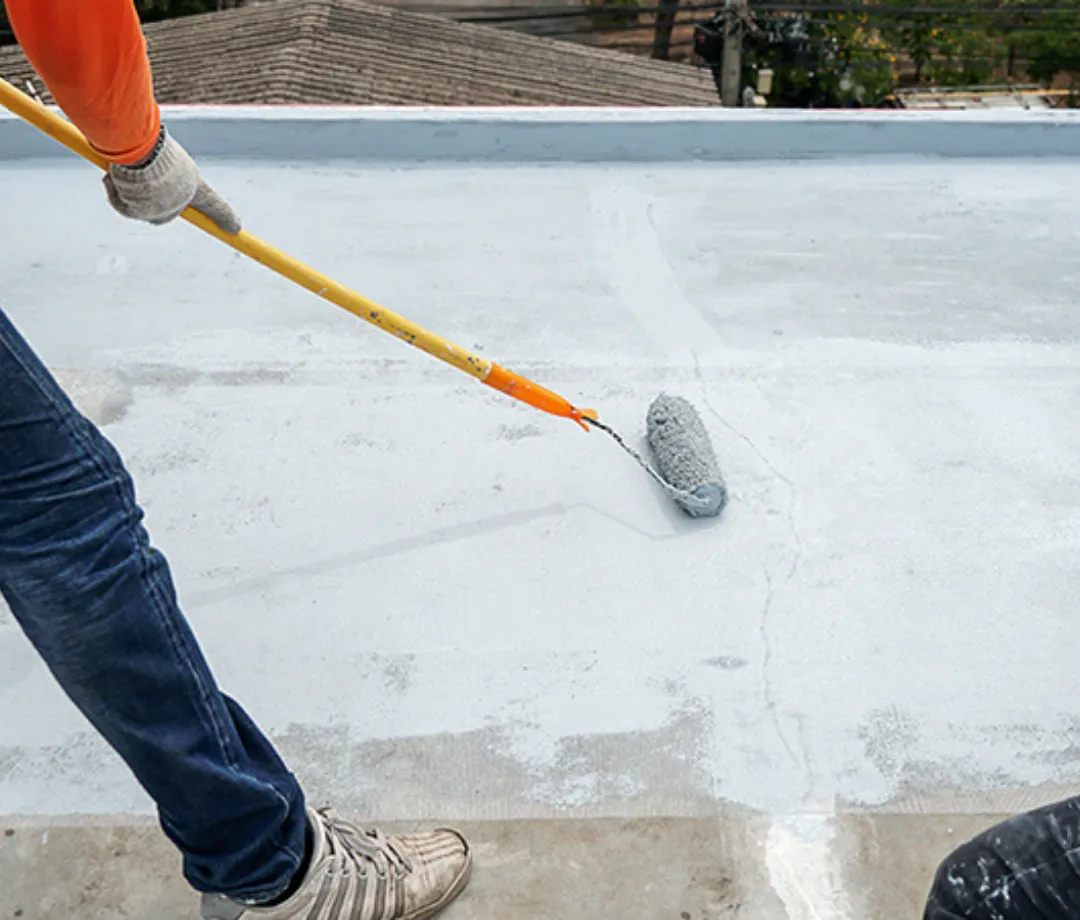
How do I know if my waterproofing project needs a permit?
It depends on the size and type of work being performed. A contractor can confirm requirements before the project begins.
Can waterproofing repairs help stop basement mold issues?
Yes, waterproofing reduces moisture, which is the main cause of mold growth. It also supports healthier indoor air quality.
What should I ask a contractor before signing a waterproofing agreement?
Ask about the full scope of work, warranty terms, and project timeline. Make sure all details are included in writing.
What if waterproofing repairs fail after the job is done?
A warranty and proper documentation help protect homeowners. Contact the contractor quickly if issues return.