
Retaining Wall Design Options for Media, Pennsylvania Homes and Surrounding Areas
Retaining walls are both functional and decorative features for homes, offering erosion control, leveling sloped landscapes, and adding visual appeal. Choosing the right design for a retaining wall can transform outdoor spaces while enhancing property value. With a variety of materials, styles, and installation techniques available, homeowners in Media, Pennsylvania have many options to create durable, attractive, and personalized retaining walls.
Why are retaining walls important for homeowners?
Retaining walls provide essential support to prevent soil erosion and stabilize slopes. They create level areas for gardens, patios, or walkways while improving drainage. Beyond functionality, well-designed retaining walls add structure and aesthetic appeal to a landscape, making them a valuable addition to any home.
What materials are commonly used in retaining walls?
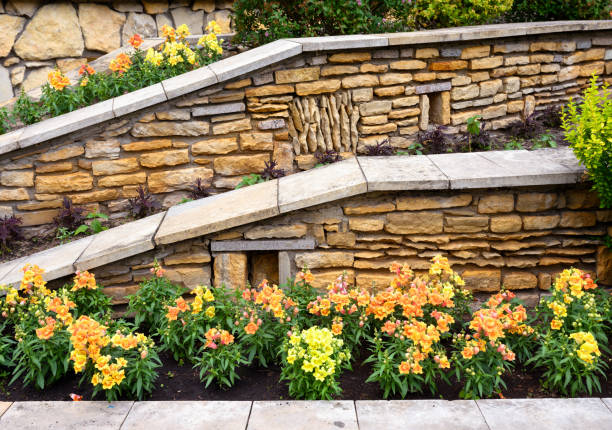
Retaining walls can be constructed from natural stone, brick, concrete blocks, timber, or gabion baskets. Stone and brick offer a classic, elegant appearance, while concrete blocks provide durability and flexibility. Timber is ideal for a natural, rustic look, and gabions — wire cages filled with rocks — add a modern industrial style. Each material has its advantages in terms of cost, appearance, and maintenance.
How do homeowners choose between modern and traditional designs?
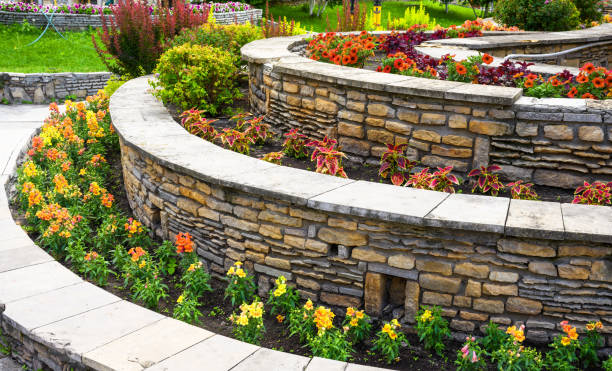
Modern retaining wall designs often emphasize clean lines, geometric shapes, and minimalist aesthetics. Traditional designs use classic materials like natural stone and brick, often with curved layouts or terracing. The choice depends on the home’s architecture, surrounding landscape, and personal taste.
Can retaining walls be used for garden or landscape features?
Yes, retaining walls can create raised garden beds, planters, or terraces. These features help manage sloped yards while enhancing functionality and beauty. Adding greenery to retaining walls softens their appearance and integrates them into the overall landscape design.
What design considerations improve drainage and stability?
Proper drainage is crucial to prevent water pressure from damaging a retaining wall. Experts recommend using gravel backfill, weep holes, and proper grading. Strong foundations and reinforced construction ensure the wall can withstand soil and water pressure over time.
How does height affect retaining wall design?
Low retaining walls under three feet are mainly decorative and easier to construct. Taller walls require professional engineering, reinforced materials, and sometimes permits to ensure safety. Homeowners should consult with a licensed contractor for walls above typical height thresholds.
What are cost-effective retaining wall options?
Stacked concrete blocks and timber are typically more affordable while still providing durability. Using local stone or modular blocks can reduce material costs and labor time. Budget-friendly options often balance appearance with functionality for smaller landscaping projects.
Can retaining walls enhance outdoor living spaces?
Yes, retaining walls can define seating areas, create terraces, or frame patios and driveways. They provide both structural support and design appeal, allowing homeowners to expand usable outdoor spaces on sloped terrain.
What maintenance is required for different retaining wall materials?
Stone and brick require minimal maintenance, usually occasional cleaning and joint repair. Timber walls may need treatment to prevent rot or insect damage. Regular inspection ensures walls remain structurally sound and visually appealing.
Why hire a professional for retaining wall design and installation?
Professional contractors ensure walls are built safely, with proper drainage, leveling, and durable materials. They help select the best design for your property while minimizing construction issues. Experienced installers also provide advice on long-term maintenance and landscape integration.
Final Thought
Choosing the right retaining wall design transforms your yard while offering functional support against erosion and slope issues. By selecting suitable materials, planning proper drainage, and considering aesthetic appeal, homeowners in Media, Pennsylvania can create durable, stylish, and practical outdoor features. Professional guidance ensures a wall that not only looks great but lasts for years.
What is the average cost of a retaining wall?
Costs vary depending on materials, height, and complexity. Basic walls may cost a few hundred dollars per linear foot, while larger engineered walls can exceed $1,000 per linear foot.
Do I need a permit to build a retaining wall?
Permits may be required for walls over a certain height or in specific locations. Check local zoning regulations before construction.
Which material is best for a long-lasting retaining wall?
Stone and reinforced concrete are highly durable and require minimal maintenance, making them ideal for long-term stability.
Can I install a retaining wall myself?
Small decorative walls under three feet may be DIY-friendly, but taller or structural walls should be built by professionals.
How do retaining walls help prevent soil erosion?
Retaining walls hold back soil, reducing runoff and stabilizing slopes. Proper drainage ensures they remain effective in protecting the landscape.