
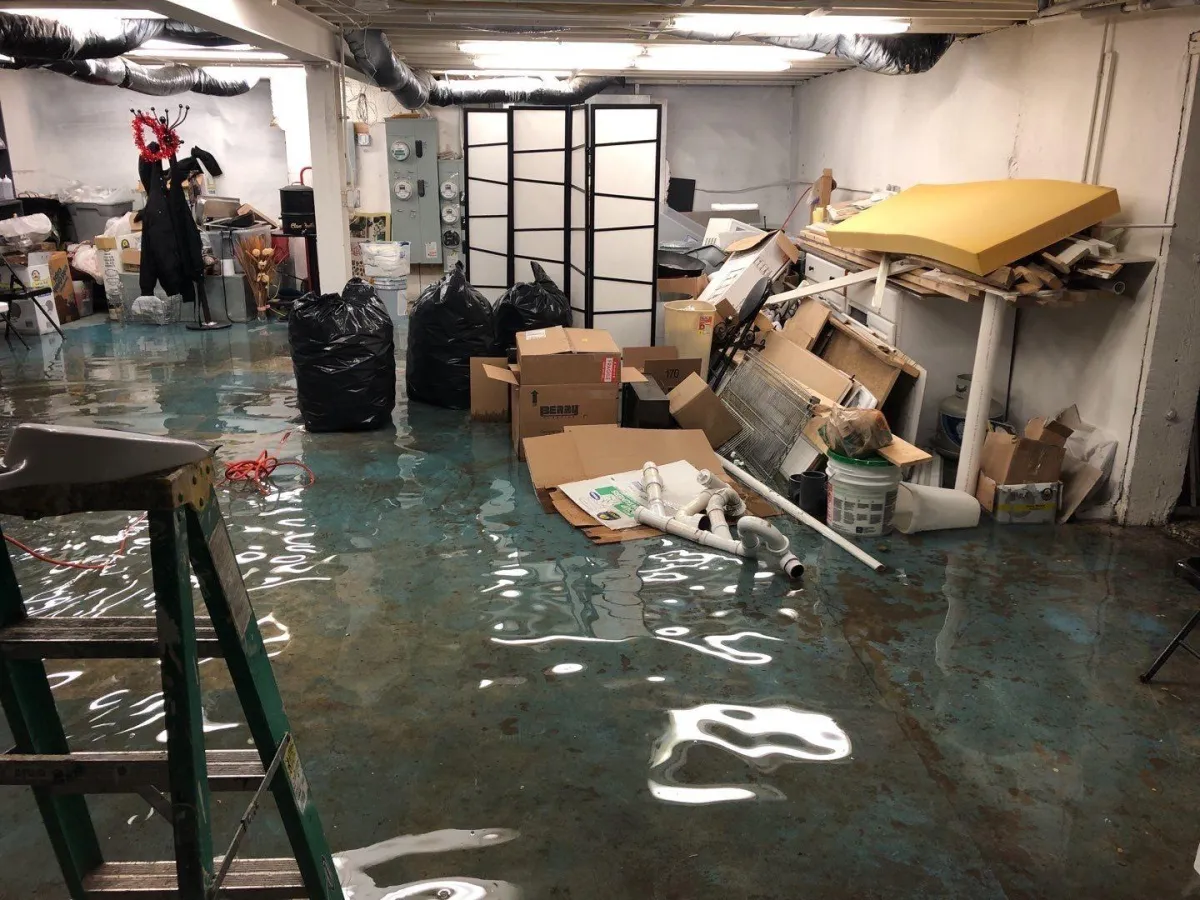
Basement Water Damage Restoration Services in Philadelphia, PA and Surrounding Areas
Basement water damage can happen suddenly because of heavy rain, sewer backups, burst pipes, foundation leaks, sump pump failures, or drainage problems. In Philadelphia, older homes and basement structures can be especially vulnerable to moisture intrusion. Professional restoration can help remove standing water, dry affected materials, reduce the risk of mold, and restore damaged areas. Philadelphia’s combined sewer system can also contribute to basement backups during heavy rainfall.
What Causes Basement Water Damage in Philadelphia, PA?
Basement water damage in Philadelphia can result from several sources. Heavy storms may overwhelm drainage systems, while sewer backups can force contaminated water through basement drains. Foundation cracks, leaking pipes, failed sump pumps, poor exterior drainage, and groundwater infiltration can also allow moisture into basements. Older Philadelphia properties may require careful inspection because water can enter through masonry walls, floors, windows, and plumbing connections.
Why Should Basement Water Damage Be Addressed Quickly?
Water can continue moving into drywall, flooring, insulation, framing, and other porous materials even after visible standing water has been removed. Prompt extraction and drying can help limit structural deterioration, unpleasant odors, and mold-related problems. Professional restoration teams use moisture meters, air movers, dehumidifiers, and extraction equipment to identify and remove hidden moisture.
What Does Professional Basement Water Damage Restoration Include?
Professional restoration generally begins with an assessment of the affected basement and identification of the water source. Technicians can then extract standing water, remove severely damaged materials when necessary, clean and sanitize affected surfaces, and thoroughly dry the structure. Moisture monitoring is important because walls, flooring, and other concealed areas can remain damp after surface water disappears.
How Does Emergency Water Extraction Help Philadelphia Homeowners?
Emergency water extraction removes standing water before it spreads farther through the basement. This is especially important after major storms, plumbing failures, or sewer backups. Professional-grade pumps and extraction equipment can handle significantly more water than ordinary household cleaning equipment, helping accelerate the drying process.
Can Basement Water Damage Cause Mold Problems?
Yes. Persistent moisture can create conditions that support mold growth, particularly when drywall, wood, insulation, carpet, or other absorbent materials remain damp. A restoration professional can identify moisture that is not visible and use drying equipment to reduce lingering humidity. If mold has already developed, appropriate remediation should be considered rather than simply covering or painting affected surfaces.
How Are Sewer Backups Handled During Basement Restoration?
Sewer backup water requires additional precautions because it may contain contaminants. Philadelphia identifies several areas that can experience basement backups when heavy rain overwhelms portions of the city's combined sewer system, including Germantown, Kensington, Northern Liberties, Center City, South Philadelphia, and Port Richmond. Professional cleanup may involve contaminated-water extraction, cleaning, disinfection, removal of unsalvageable materials, and controlled drying.
Which Philadelphia Areas Can Benefit From Basement Restoration Services?
Basement water damage restoration can serve homeowners throughout Philadelphia, including Center City, South Philadelphia, Northern Liberties, Germantown, Kensington, Port Richmond, Manayunk, Queen Village, Society Hill, Rittenhouse, Point Breeze, and surrounding neighborhoods. Local restoration providers also commonly serve nearby communities outside the city, making it possible to obtain help for residential and commercial properties across the greater Philadelphia area.
What Should Homeowners Do Before Restoration Professionals Arrive?
Safety should come first. If flooding has reached electrical outlets, appliances, or electrical panels, homeowners should avoid entering standing water until electrical hazards have been addressed. The source of the water should be stopped if it can be done safely, while valuable belongings can be moved to a dry location when possible. Taking photographs of the damage can also help with documentation and insurance discussions.
Can Water-Damaged Basement Materials Be Repaired or Replaced?
The answer depends on the type and extent of damage. Some flooring, walls, furniture, and structural materials may be cleaned and dried, while heavily saturated or contaminated materials may need removal and replacement. A professional assessment can help determine which materials are salvageable and which require reconstruction. Restoration may therefore include both water removal and repairs to return the basement to a usable condition.
How Can Philadelphia Homeowners Reduce Future Basement Water Damage?
Preventive measures can reduce the likelihood of repeated flooding. Homeowners can maintain gutters and downspouts, monitor foundation cracks, maintain sump pumps, improve drainage around the property, and address plumbing leaks promptly. Properties affected by recurring sewer backups may also benefit from discussing backwater protection options with appropriate local authorities or professionals. Philadelphia's Basement Backup Protection Program has offered qualifying residents measures such as backwater valves to help reduce certain types of basement backups.
Final Thought
Basement water damage should not be treated as a simple cleanup project. Fast water extraction, professional drying, moisture inspection, cleaning, and appropriate repairs can help protect a Philadelphia property from additional damage. Whether the problem occurs in Center City, South Philadelphia, Germantown, Kensington, Manayunk, Port Richmond, or another surrounding area, addressing moisture promptly can make restoration more manageable and help protect the long-term condition of the basement.
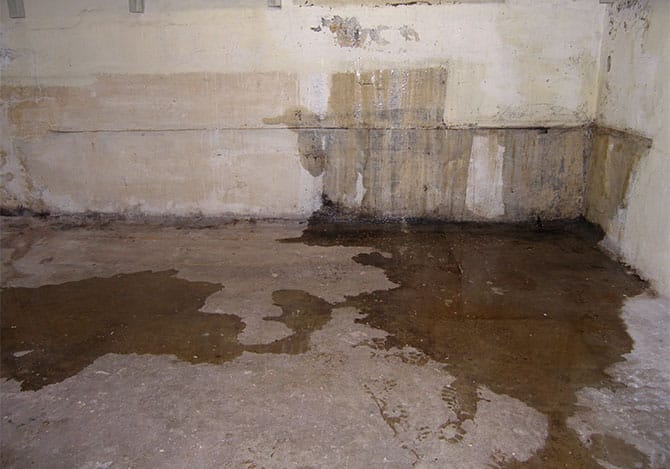
How quickly should basement water damage be cleaned up?
Water should be removed and affected areas dried as soon as it is safely possible to reduce the chance of additional material damage and moisture-related problems.
Does basement flooding always require professional restoration?
Not every minor spill requires professional services, but significant flooding, sewage contamination, hidden moisture, or extensive structural damage should be evaluated by qualified restoration professionals.
Can restoration companies help with insurance documentation?
Many restoration providers document the damage and restoration process for property owners. Coverage itself depends on the specific insurance policy and cause of loss.
What if my Philadelphia basement floods repeatedly?
Repeated flooding should be investigated rather than simply cleaned each time. Possible causes include drainage problems, foundation leaks, sump pump issues, groundwater intrusion, or sewer backups. Identifying the underlying source can help reduce recurring damage.
Is basement water damage restoration available in surrounding areas?
Yes. Restoration providers serving Philadelphia may also cover nearby communities and surrounding areas, depending on their service territory. For example, local providers advertise service across Philadelphia and nearby communities.