
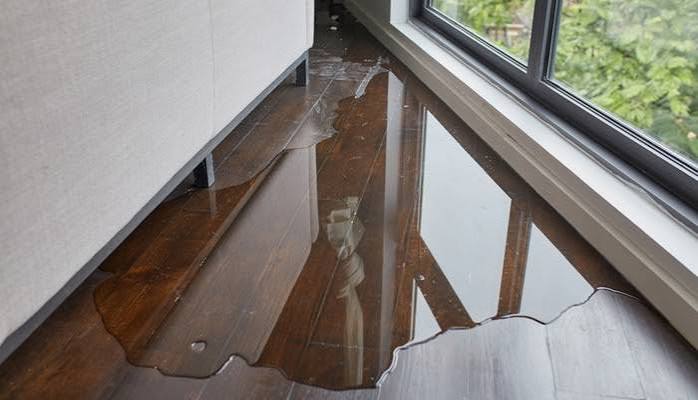
Preventative Water Damage Tips for Homeowners in New Jersey & Surrounding Areas
Water damage can result from heavy rain, flooding, frozen pipes, plumbing leaks, clogged gutters, and foundation drainage problems. For homeowners throughout New Jersey—including Newark, Jersey City, Paterson, Trenton, Princeton, Edison, Morristown, Elizabeth, Hoboken, and surrounding areas—regular maintenance can help reduce the risk of expensive repairs. New Jersey officials recommend measures such as maintaining gutters, protecting pipes from freezing, understanding local flood risks, and preparing homes for severe weather.
What Are the Most Common Causes of Water Damage in New Jersey Homes?
Water damage can develop from both sudden emergencies and small problems that go unnoticed. Leaking supply lines, damaged roofs, overflowing gutters, clogged drains, foundation seepage, sump-pump failures, and frozen pipes can all allow unwanted water into a home. In communities such as Newark, Paterson, Clifton, and Passaic, homeowners should pay particular attention to basement and foundation moisture, while properties in coastal or flood-prone communities may also need to prepare for storm-related flooding.
How Can Homeowners Prevent Basement Water Damage?
Keeping water away from the foundation is one of the most important preventative steps. Check that soil around the property slopes away from the foundation and address areas where water regularly collects. New Jersey weatherization guidance recommends correcting grading problems when water pools near the building. Homes with a history of basement flooding may also benefit from a properly sized sump pump.
How Important Are Gutters and Downspouts for Water Protection?
Clean gutters and properly positioned downspouts help move rainwater away from the roof and foundation. Leaves, dirt, and other debris can block drainage and cause water to overflow near exterior walls. Homeowners in Princeton, Edison, Trenton, and surrounding communities should inspect gutters regularly, particularly before periods of heavy rain. New Jersey guidance specifically recommends cleaning gutters and downspouts so they drain properly.
How Can Homeowners Protect Pipes From Freezing?
Frozen pipes are a significant winter water-damage concern. Exposed pipes should be insulated, and homeowners should know where their main water shutoff valves are located. During extremely cold conditions, allowing faucets to drip slightly can help reduce the chance of freezing. New Jersey emergency guidance also recommends insulating pipes and keeping water valves accessible in case a pipe bursts.
Should Homeowners Inspect Plumbing Fixtures Regularly?
Yes. Small leaks around faucets, toilets, washing machines, water heaters, and under-sink connections can gradually damage cabinets, flooring, drywall, and structural materials. Homeowners in Jersey City, Hoboken, Morristown, and nearby areas should periodically inspect visible plumbing connections and address dripping or damp areas before they become larger problems.
How Can a Sump Pump Help Prevent Water Damage?
A sump pump can help remove groundwater that collects beneath or around a basement. This can be especially useful for properties that have experienced basement flooding or persistent groundwater seepage. New Jersey's weatherization guidance recommends sump pumps for basements or crawl spaces with a history of flooding and advises directing discharged water away from the foundation.
How Should New Jersey Homeowners Prepare for Heavy Rain and Flooding?
Homeowners should understand their property's flood risk and monitor severe-weather alerts. Keeping valuable belongings and important documents in elevated or protected locations can reduce potential losses. New Jersey's Office of Emergency Management also recommends considering backup-powered sump pumps and other measures for homes vulnerable to flooding.
What Exterior Maintenance Can Reduce the Risk of Water Intrusion?
Regularly inspect the roof, siding, windows, doors, gutters, foundation, and exterior drainage areas. Damaged shingles, deteriorated seals, cracks, or blocked drainage paths can allow water to enter during storms. This type of preventative maintenance is useful throughout surrounding areas such as Cherry Hill, Princeton, New Brunswick, Parsippany, and Montclair, where seasonal weather can put additional stress on residential properties.
Does Homeowners Insurance Cover Every Type of Water Damage?
No. Coverage depends on the cause of the damage and the specific insurance policy. New Jersey's Department of Banking and Insurance notes that standard homeowners policies generally exclude flood damage, making separate flood insurance an important consideration for homeowners exposed to flood risks.
Why Is Preventative Water Damage Maintenance Important in New Jersey?
Preventative maintenance can help homeowners identify vulnerable areas before a small leak, drainage problem, frozen pipe, or storm event causes extensive damage. Whether you live in Newark, Elizabeth, Paterson, Edison, Trenton, Jersey City, Princeton, Morristown, or another New Jersey community, routine inspections and timely repairs can help protect your home, belongings, and investment.
Final Thoughts
Preventing water damage starts with consistent home maintenance rather than waiting for an emergency. Keeping gutters clear, protecting pipes, maintaining proper drainage, monitoring plumbing, checking the foundation, and preparing for severe weather can all help reduce water-related risks across New Jersey and surrounding areas.
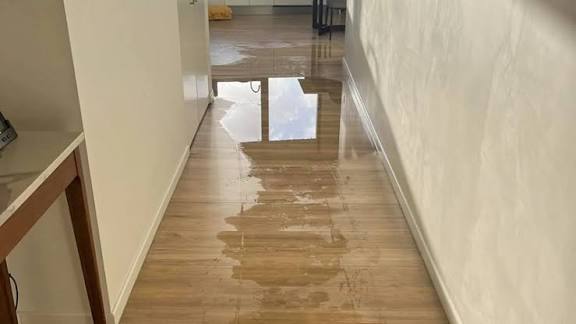
What is the best way to prevent water damage at home?
Regularly inspect plumbing, gutters, downspouts, roofing, windows, and foundation areas to identify and fix potential leaks early.
How often should gutters be cleaned?
Gutters should generally be inspected and cleaned at least twice a year and more often when trees near the home drop significant leaves.
How can I prevent frozen pipes in winter?
Insulate exposed pipes, keep vulnerable areas warm, and protect outdoor plumbing before freezing temperatures arrive.
Can a sump pump prevent basement flooding?
A properly maintained sump pump can help remove accumulating groundwater and reduce the risk of basement flooding.
How do I protect my home from heavy rain?
Keep gutters clear, extend downspouts away from the foundation, maintain proper grading, and address roof or foundation issues promptly.